Tile Roof Installation,
Layer by Layer
Everyone pictures the tile. The roof is what goes under it. Here is how a tile roof gets installed in the Inland Empire, in the order it happens, from the framing question to the city sign-off, and what to ask any tile roof installer before you sign.

First, the One Thing to Know About Any Tile Roof
The tile is the armor. The underlayment under it is the waterproofing. Concrete tile can go 50 years or more; the felt under most of the tile roofs we open in the Inland Empire is done at 20 to 30. So a tile roof installation is really two jobs stacked on top of each other: build a waterproofing system on the deck that will hold for decades, then set the armor on top of it. Everything below is in the order it happens on the roof, and every layer of it goes in your written scope before anyone lifts a tile.
Step 0: Replacement, or Lift and Relay?
Not every tile roof that leaks needs new tile. If your tile is still sound and only the underlayment is done, the honest job is a tile lift and relay: your tile comes up, new underlayment goes down, your tile goes back. If the tile itself is at the end of its life, cracked, chipped or discontinued so it cannot be matched, that is a full tile replacement with new tile. We will tell you which one you are, and we will quote the cheaper one when it is the right one. Same answer we would give a family member.
Step 1: Can the House Carry It?
Standard weight concrete tile is heavy, and a house that has carried it for thirty years can usually keep carrying it. A house that has never had tile is a different conversation, and it starts with the framing, not the color chart. The long version, including what concrete tile actually weighs and what your city asks for above six pounds, is in can your house carry a tile roof.
We install standard weight concrete tile only. Lightweight tile is a legitimate product and it carries the same fire, weather and wind approvals as standard weight. We do not install it, and the reason is what it costs to install right: it takes more care underfoot, which means laying out walking paths and maintaining them across every plane for the whole job, and that labor goes into the price. Quoted honestly against standard weight, the discount narrows. If you want lightweight tile, there are good contractors who install it, we are just not the shop for it. And if your framing will not carry standard weight, we will say so and talk about a tile to shingle conversion instead of putting a compromise on your house.
Step 2: Pick the Tile in Your Hands, Not Off a Screen
We are Eagle Roofing tile installers. Worth saying plainly, because Eagle does not run a contractor certification program, so nobody can honestly sell you an "Eagle certified" roof; what you get is Eagle tile installed by a crew that knows the product. When you are close enough to Eagle's Rialto showroom, we make the trip to the tile plant together: you hold the profile and the color in real sunlight before anything is ordered. If you are in an HOA, we bring the manufacturer spec sheet and a physical sample to the estimate so you have what the committee asks for before you submit. And know this going in: new tile is manufactured for your order, and that can take up to two weeks. A contractor who promises to start tomorrow with custom tile is telling you something is off.
Step 3: Tear-Off to the Deck, and the City Looks Before We Cover It
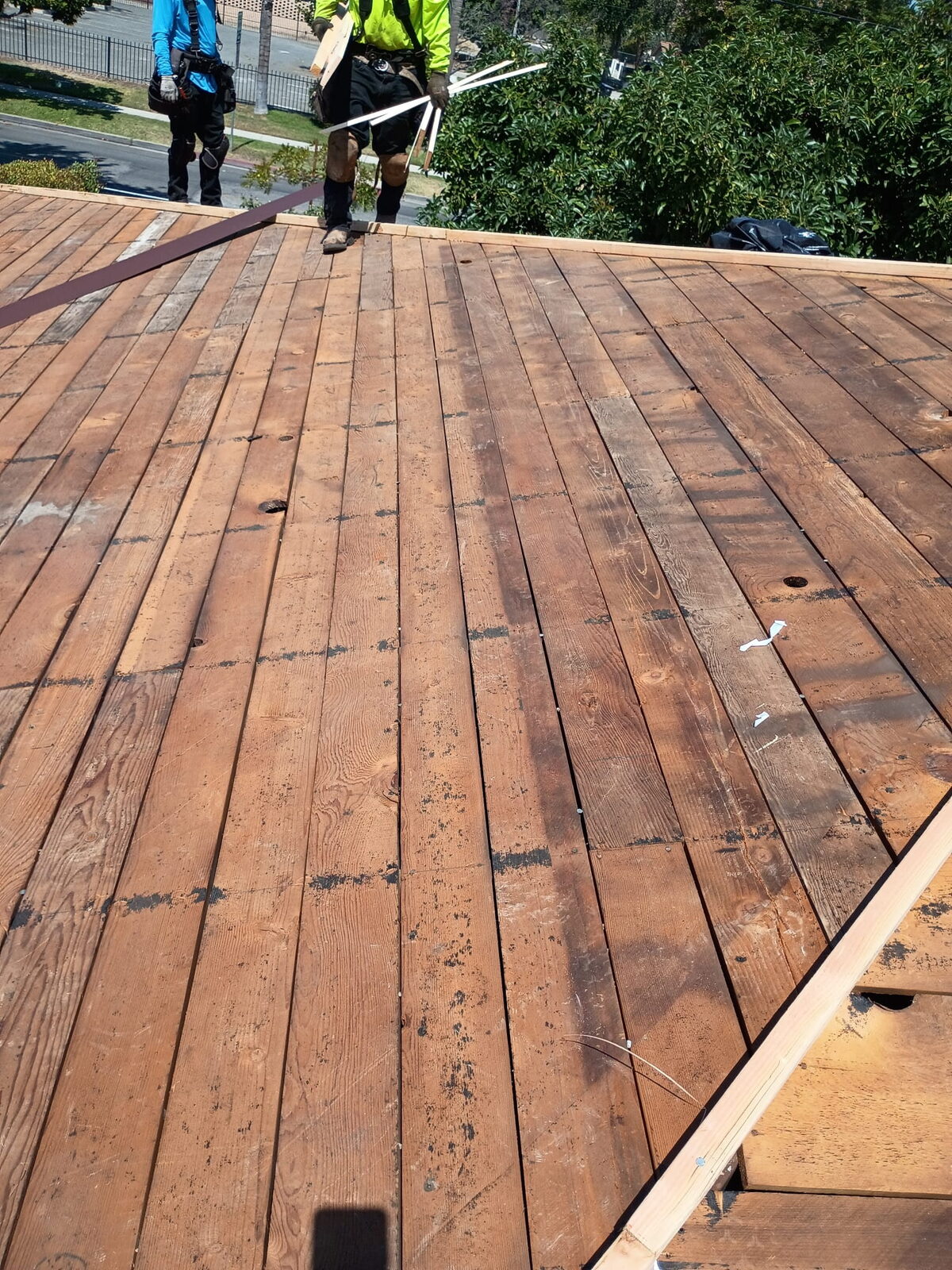
The old tile comes off and gets staged, the old underlayment comes off, and the deck is bare in daylight. That is the only time anyone can actually see the wood. Soft boards get replaced with new before anything goes over them. A roof gets inspected before it gets covered: we pull the permit, the city has to see the deck, and the record is yours when the job closes out. We have taken over a job where the previous contractor skipped that step, and the homeowner paid for the same underlayment twice.
Step 4: The Underlayment, Which Is the Actual Roof
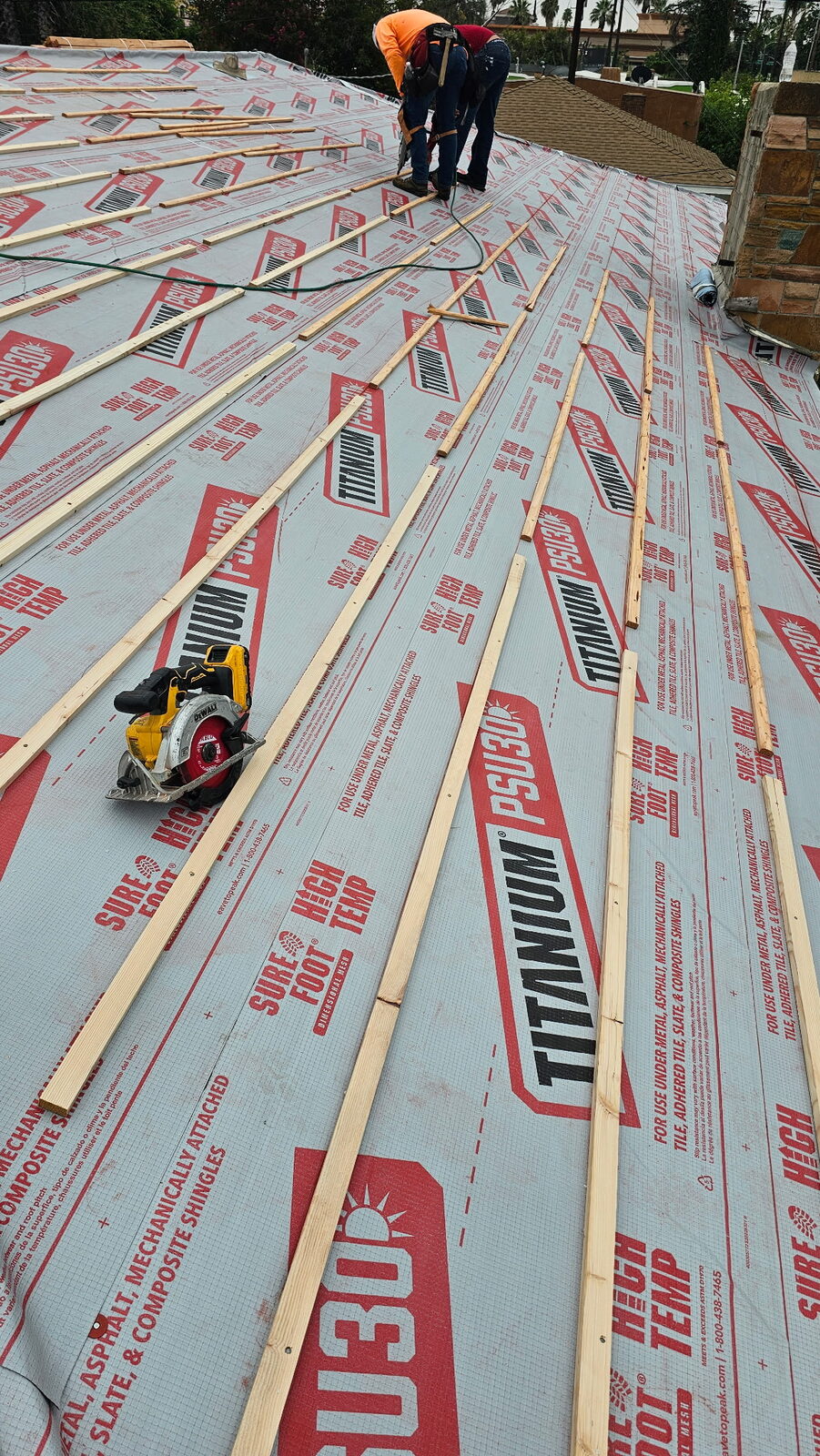
This is the layer that keeps the water out for the next few decades, and it is the layer a cheap quote cuts because you will never see it again. On our tile jobs it is Owens Corning Titanium PSU30, a peel and stick membrane, or Titanium UDL50 synthetic, chosen for the scope and named in your contract. A self-adhered membrane seals to the deck and seals around its own fasteners as a backup. New drip edge at the eaves, new flashings at every wall, chimney and pipe, and bird stops at the eave so the first course sits right and nothing nests under it. The flashing is the seal where the roof meets something else; the membrane is what makes sure water that gets behind it still has a way out. Caulk is not flashing.
Step 5: Battens and Fasteners, Which Hold the Tile
Underlayment keeps water out. Battens and fasteners hold tile. On most of the roofs we do, the tile hangs on wood battens run across the roof over the membrane, and every tile is fastened. Every one. A lot of older tile roofs around here were spot nailed, one row nailed, the next row just resting there, and thirty years of heat cycles and the occasional earthquake is how those tiles end up sliding out of their courses. We do not build a roof that way.
Step 6: The Tile Goes On
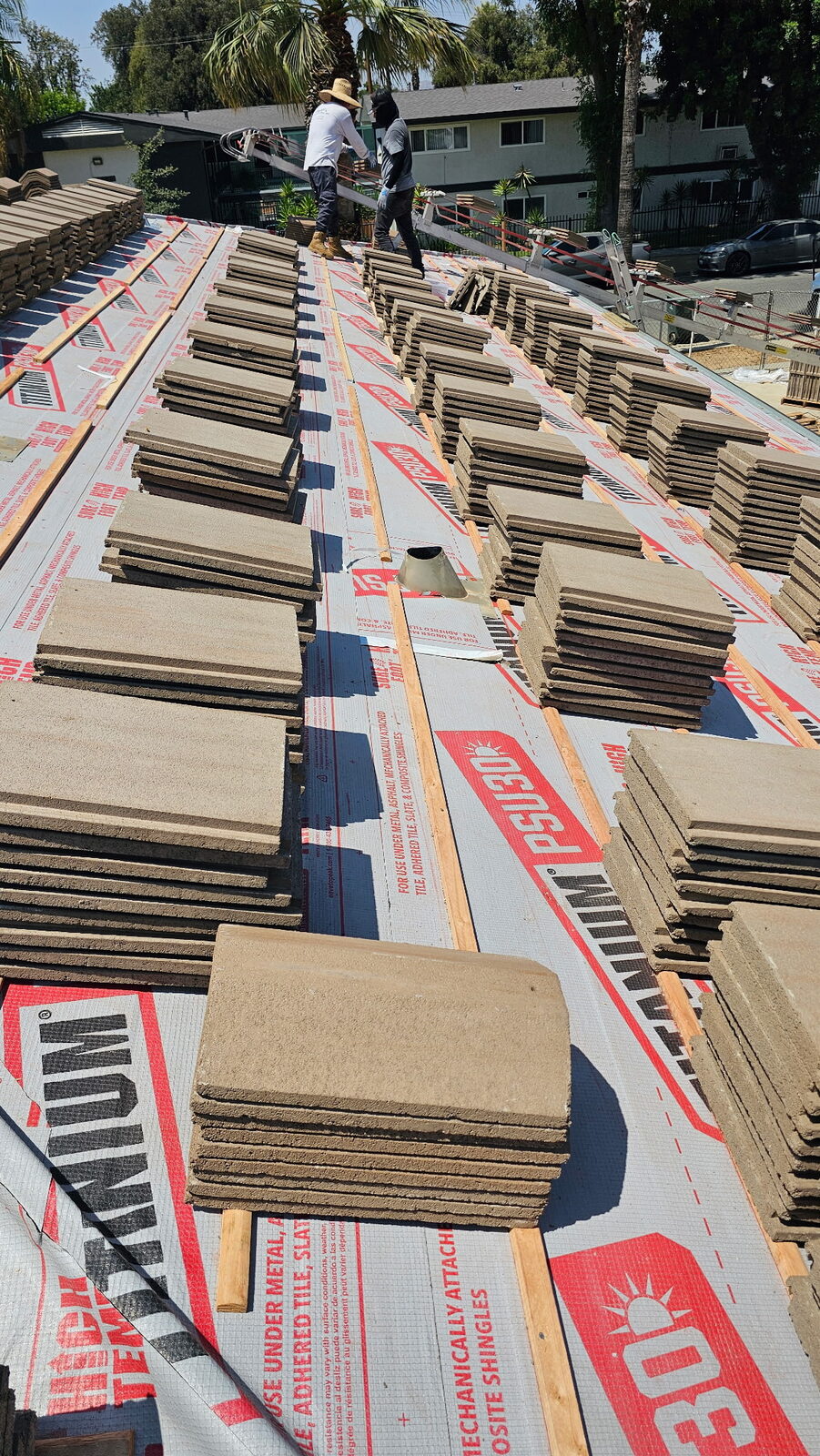
The tile is staged on the roof in stacks, laid course by course from the eave up, cut at the hips and valleys, and finished with the ridge and hip pieces. This is the part everyone pictures when they hear "tile roof installation," and it is the part that matters least to whether the roof leaks. The waterproofing decision was already made two steps ago. What the tile stage decides is how it looks from the street for the next fifty years, which is why Step 2 was worth the drive.
Step 7: Walkthrough, Sign-Off, Cleanup, Warranty
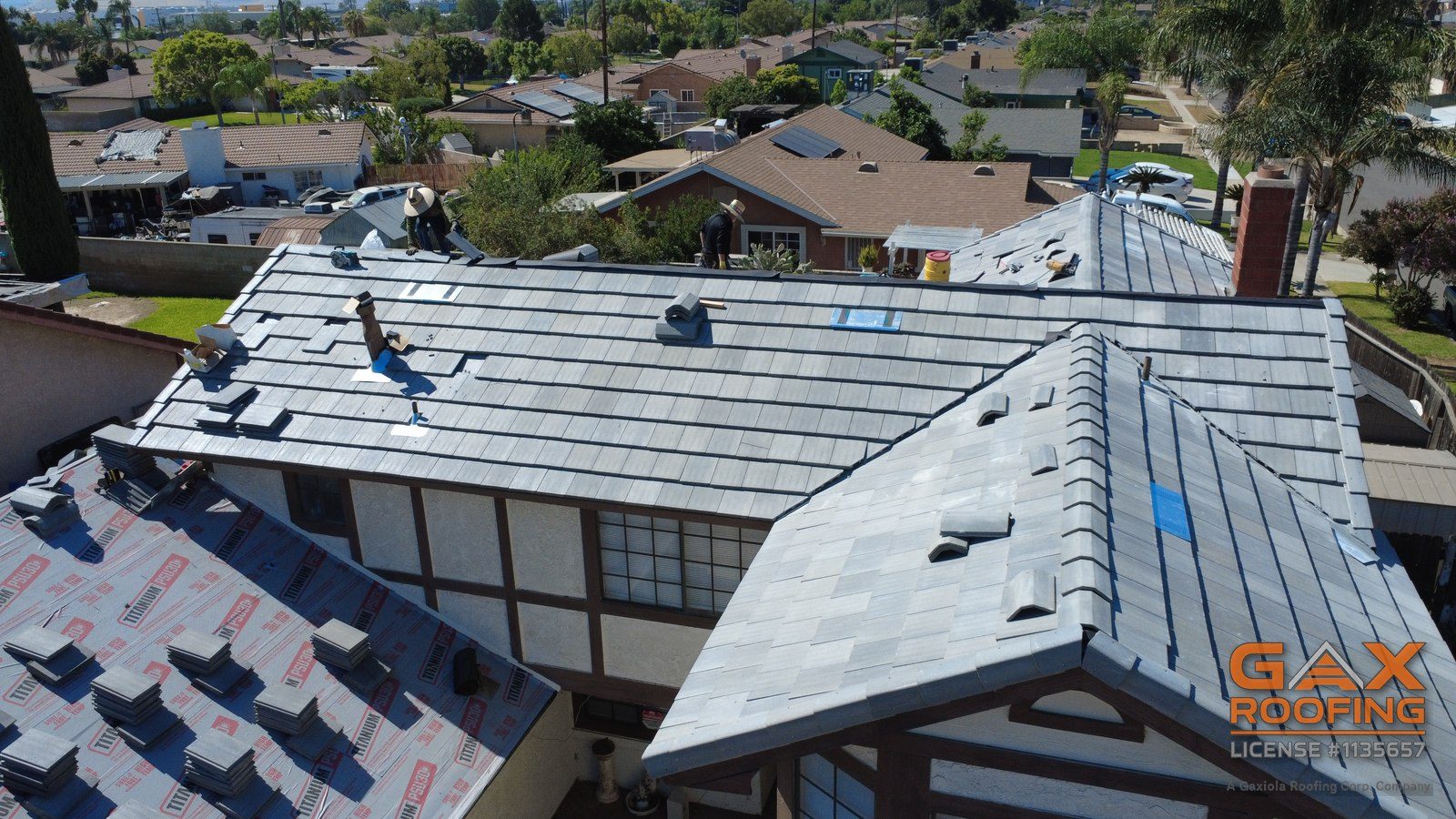
Final walkthrough with you on site. Permit closed out with the city. Jobsite cleaned like we were never there. A workmanship warranty in writing, separate from the manufacturer's warranty on the tile. Alma's tile replacement in Bloomington ran four days start to finish once her tile landed; a lift and relay usually runs three to seven days depending on the size of the roof. Bigger and steeper takes longer, and we will tell you the honest number before we start, not after.
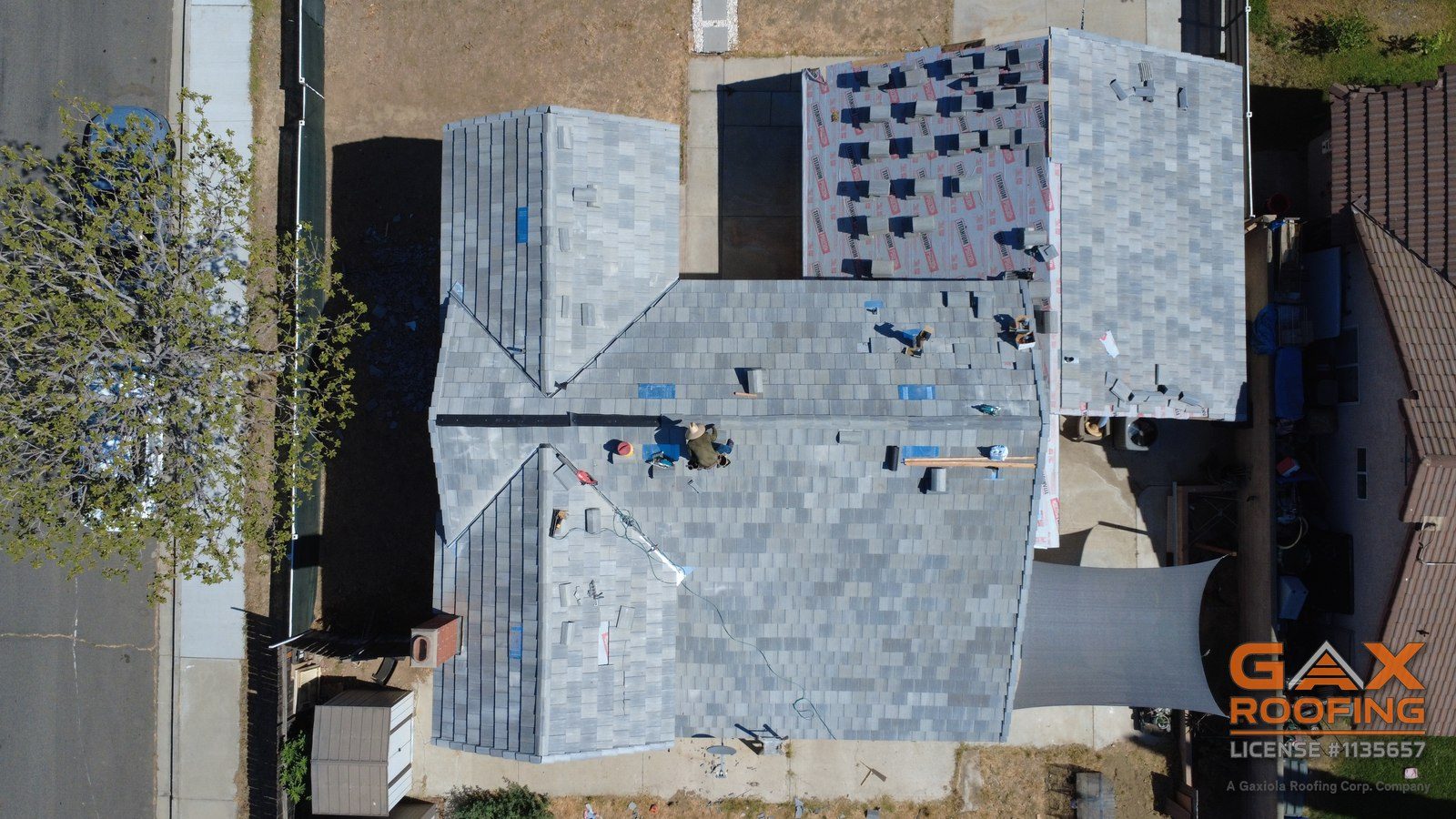
Who Is on Your Roof
Most of our work is done by our own crew, and an owner runs every job. When we need more hands, we use one dedicated installation crew that works with us under an exclusive labor agreement, not whoever is available that week. They are licensed and insured, we vetted them, their certificate of insurance is on file, and they build under our supervision. Legally they are a subcontractor, so it is disclosed in your contract. Your agreement, your warranty, and the person who answers the phone are still GAX.
What to Ask Any Tile Roof Installer
Ask these before you sign, and expect specific answers, not a reassuring tone:
- Which underlayment, by brand and product name, and is it written in the scope?
- Standard weight or lightweight tile, and why?
- Is every tile fastened, or every other row?
- Who pulls the permit, and does the city inspect the deck before it is covered?
- Who is physically on my roof, and is that in the contract?
- Is the price fixed in writing before the first tile comes off?
If you want the full version of those questions with our answers attached, a homeowner grilled us on a $42,000 tile quote and we published every answer.
The tile is the armor. The underlayment is the waterproofing. Buy the roof, not the pile of tile.
Thinking About a Tile Roof?
Free estimate, in writing, with every layer listed. We do tile roof installation, tile replacement with new tile, and lift and relay across the Inland Empire, Riverside County, LA County and Orange County.
(909) 819-8394Get a Tile Roof Estimate