Shingle Roofs Built
to Last
Asphalt shingles are the most popular roofing choice in the Inland Empire, and for good reason. They're durable, cost-effective, available in a wide range of styles and colors, and when installed correctly, they hold up well in Southern California's heat and UV exposure.
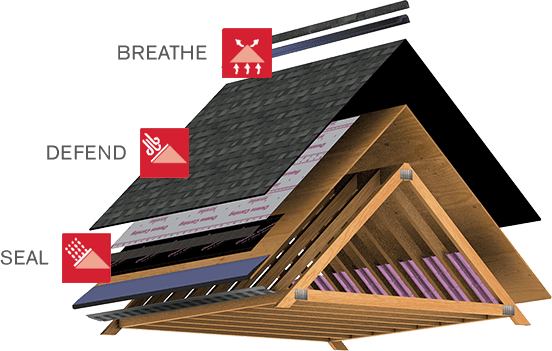
The difference between a shingle roof that lasts 15 years and one that lasts 30 comes down to installation. Proper underlayment, correct ventilation, tight flashing, and a quality ridge cap aren't extras, they're the job done right. That's what we do on every install.
What's Included in a Shingle Installation
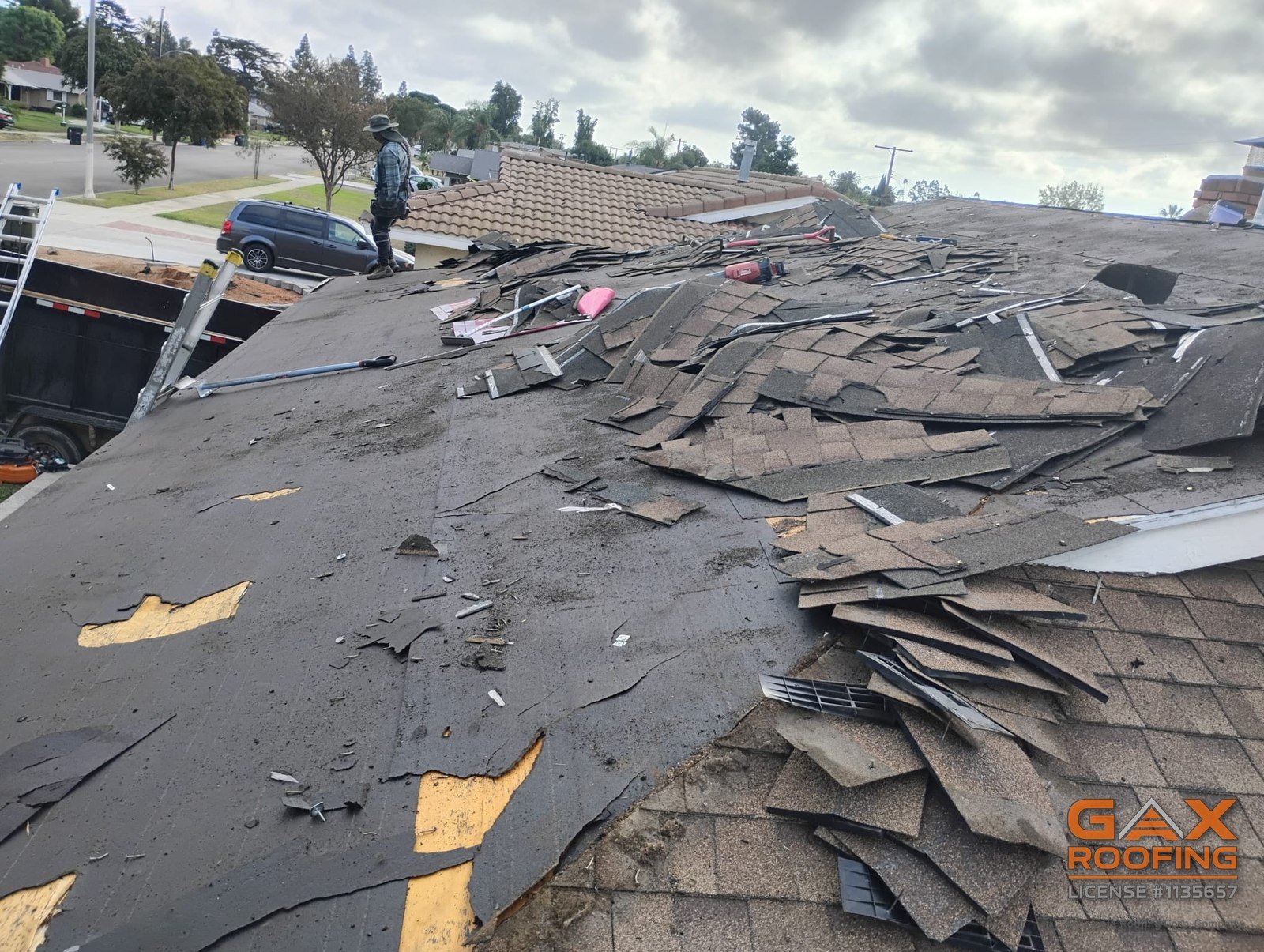
- Full tear-off of existing material
- Deck inspection and repair of damaged sheathing
- Ice and water shield in valleys and penetrations
- High-quality synthetic underlayment (Owens Corning ProArmor or equivalent)
- New drip edge and step flashing
- Architectural shingle installation, Owens Corning, GAF, or Malarkey
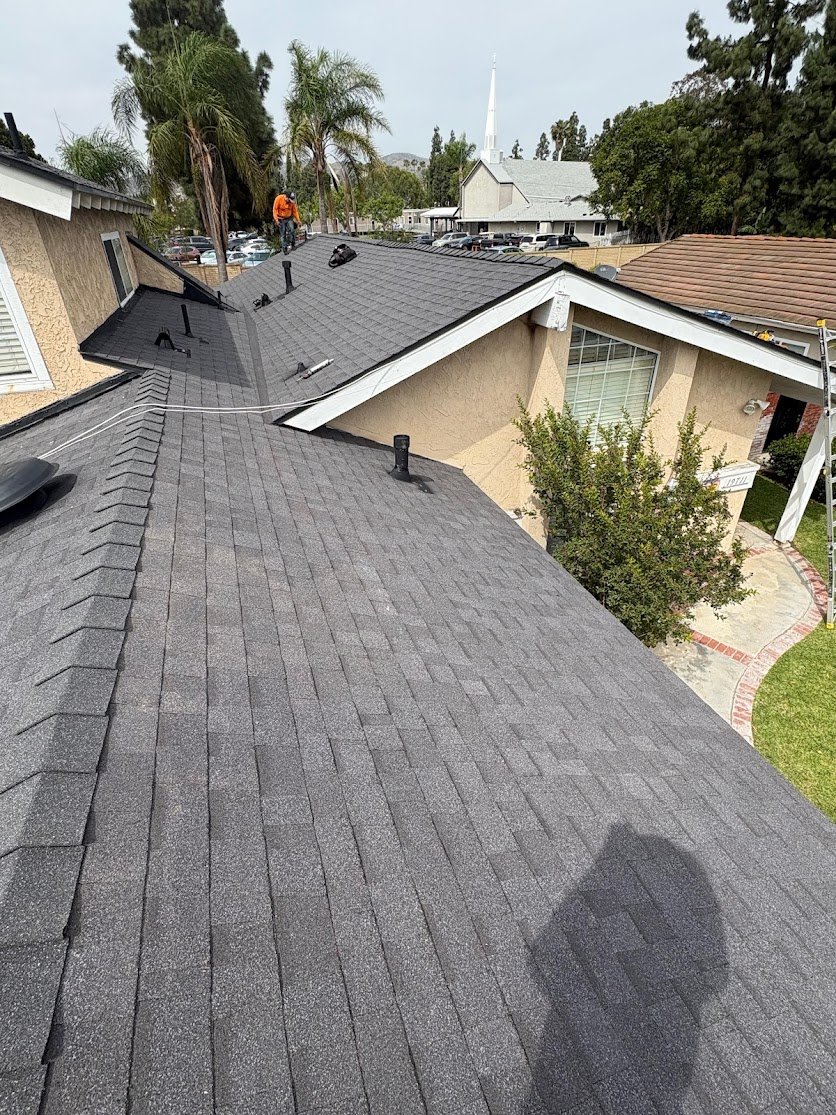
- Ridge cap shingles, not rolled roofing
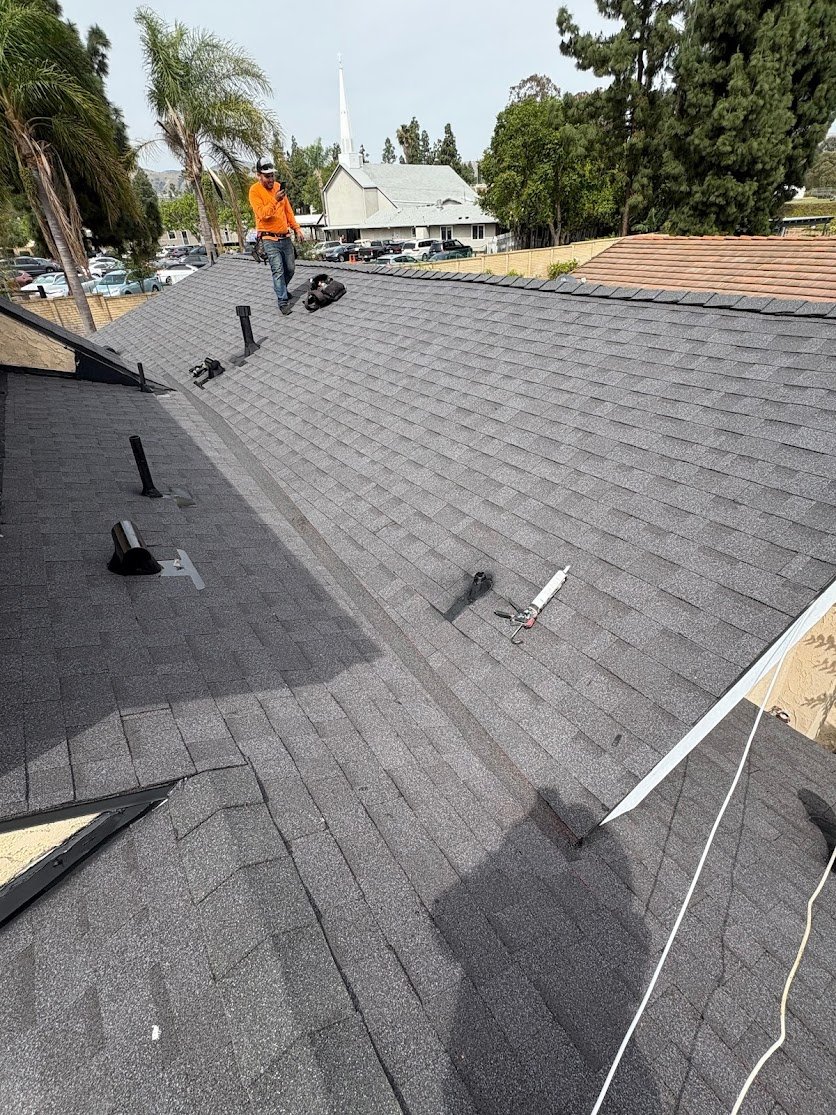
- Pipe boots, vent collars, and flashing properly sealed
- Permit and city inspection
- Cleanup and magnet sweep
Materials We Use
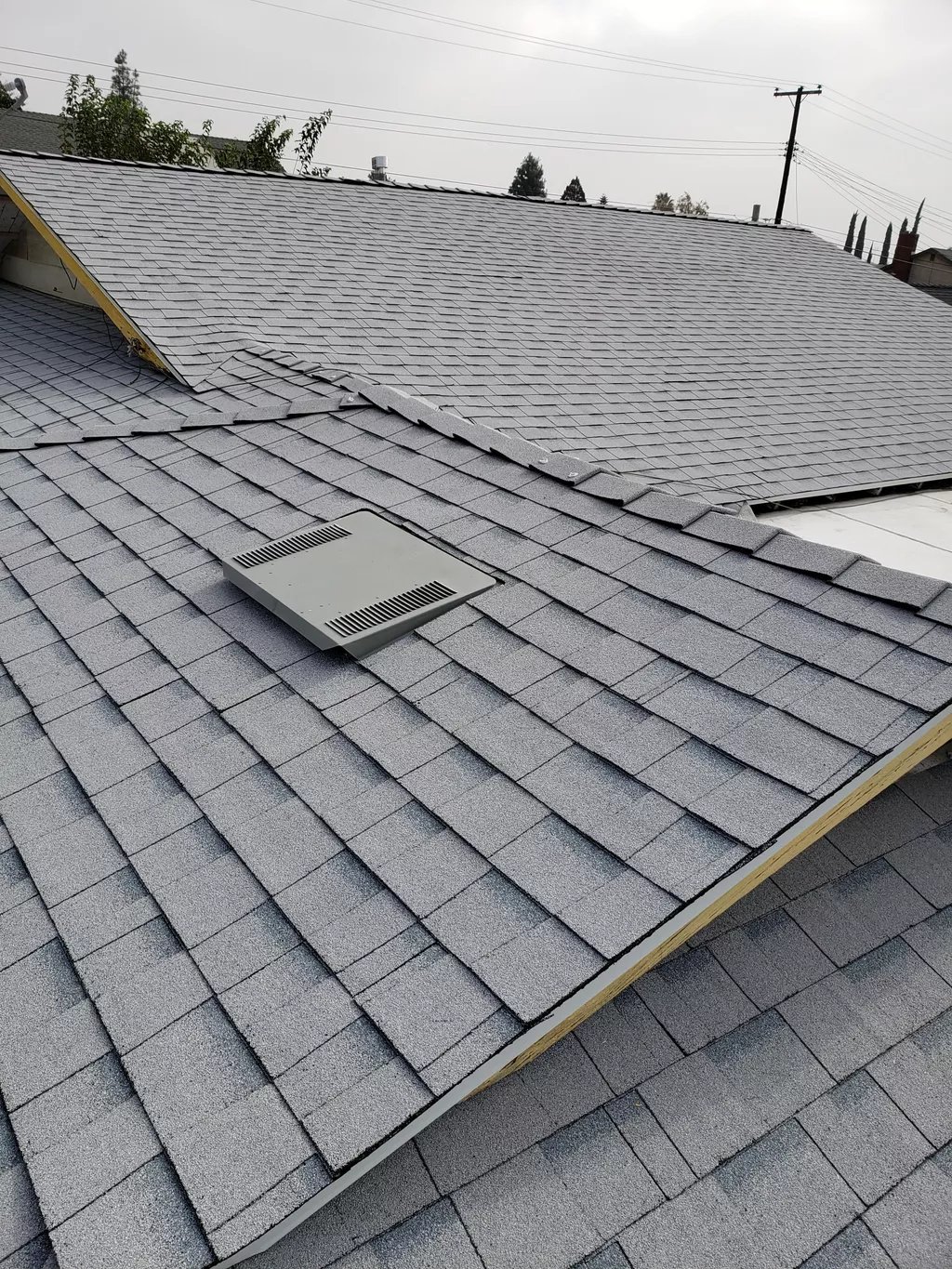
We work with Owens Corning, GAF, and Malarkey, three of the most trusted names in roofing. We'll recommend the right product for your home's exposure, your budget, and the look you're going for. Architectural (dimensional) shingles are our standard recommendation, they perform better and look significantly better than 3-tab.
Why We Do Not Install Three Tab
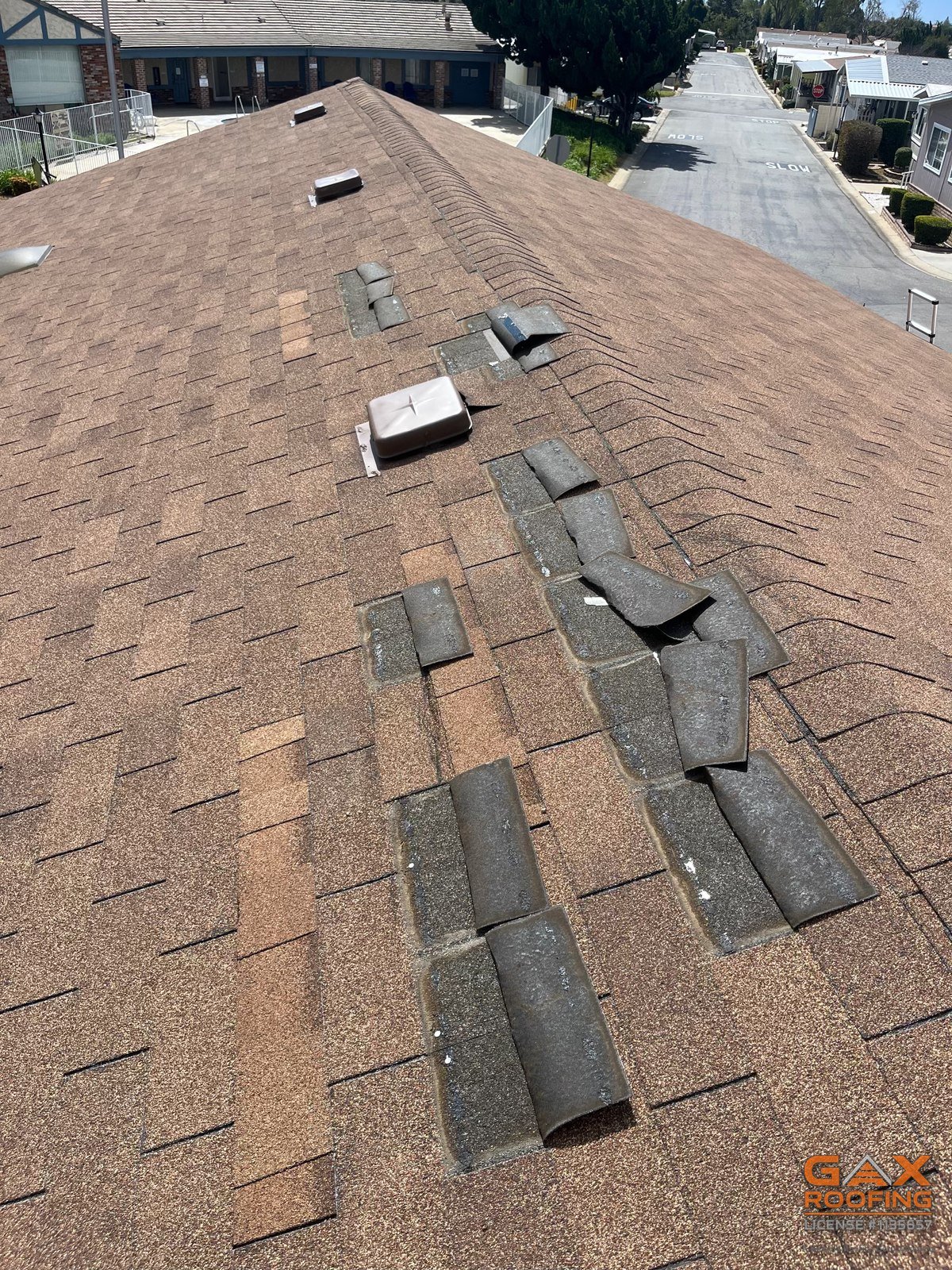
Three tab is the thin, flat shingle you still see on a lot of older Inland Empire roofs. It is cheaper up front and it is usually what is under a suspiciously low bid. In my experience out here it gives you somewhere around ten to fifteen years, and the way it tends to fail is that the tabs let go.
Architectural shingles are heavier, layered, and hold down better under the wind we actually get. That is the product we install. If a bid you are holding says three tab, that is not a small detail, and it is worth asking about before you sign anything.
Frequently Asked Questions
Quality architectural shingles last 25-35 years in the IE climate with proper ventilation. UV exposure and heat accelerate aging, which is why ventilation and underlayment quality matter significantly out here.
Most residential shingle replacements take 1-2 days. Larger or more complex roofs may take 3. We give you a realistic timeline at the estimate, not a lowball number to win the job.
Technically yes, but we don't recommend it. A re-roof over existing shingles traps heat, adds weight, and prevents a proper deck inspection. A full tear-off is almost always the better investment.
In the IE heat, lighter colors (greys, tans, weathered wood tones) perform better thermally. We can show you samples and help you find something that looks great on your home's specific style and color scheme.
What Shingle Roof Customers Said
In their own words, from Google and the other review sites. Each card opens the original. Read every review
Had my roof replaced by GAX Roofing here in Ontario and went with the Owens Corning COOL shingles. Arthur handled it personally and kept me updated the whole way. Crew showed up when they said they would and finished on schedule. What stood out most was the cleanup. No nails, no scraps, nothing left in the yard. Easy recommendation.
Arthur came out and gave us a fair price for a cool roof with Owen's Corning materials. GAX took care of the permitting and the appointments for inspection. They paint the pipes to match the roof which was a nice touch. We'd recommend GAX as a roofing contractor, they're honest and do great roofs.
Arthur came out the day after I requested a quote. The crew arrived on time and cleaned up thoroughly at the end of the day. They completed the project quickly, delivered great quality, and made the entire process stress-free. My new roof looks awesome and adds great value to the property.