Embers Land on Roofs
Before Flames Arrive
We work in the parts of the Inland Empire where wildfire is part of the landscape: the neighborhoods up against the foothills in north Rancho Cucamonga, hillside San Bernardino, and the communities that back up to open wildland. In a fire, the danger to most homes isn't the flame front, it's the embers that travel ahead of it and land on the most exposed surface you own. Your roof.
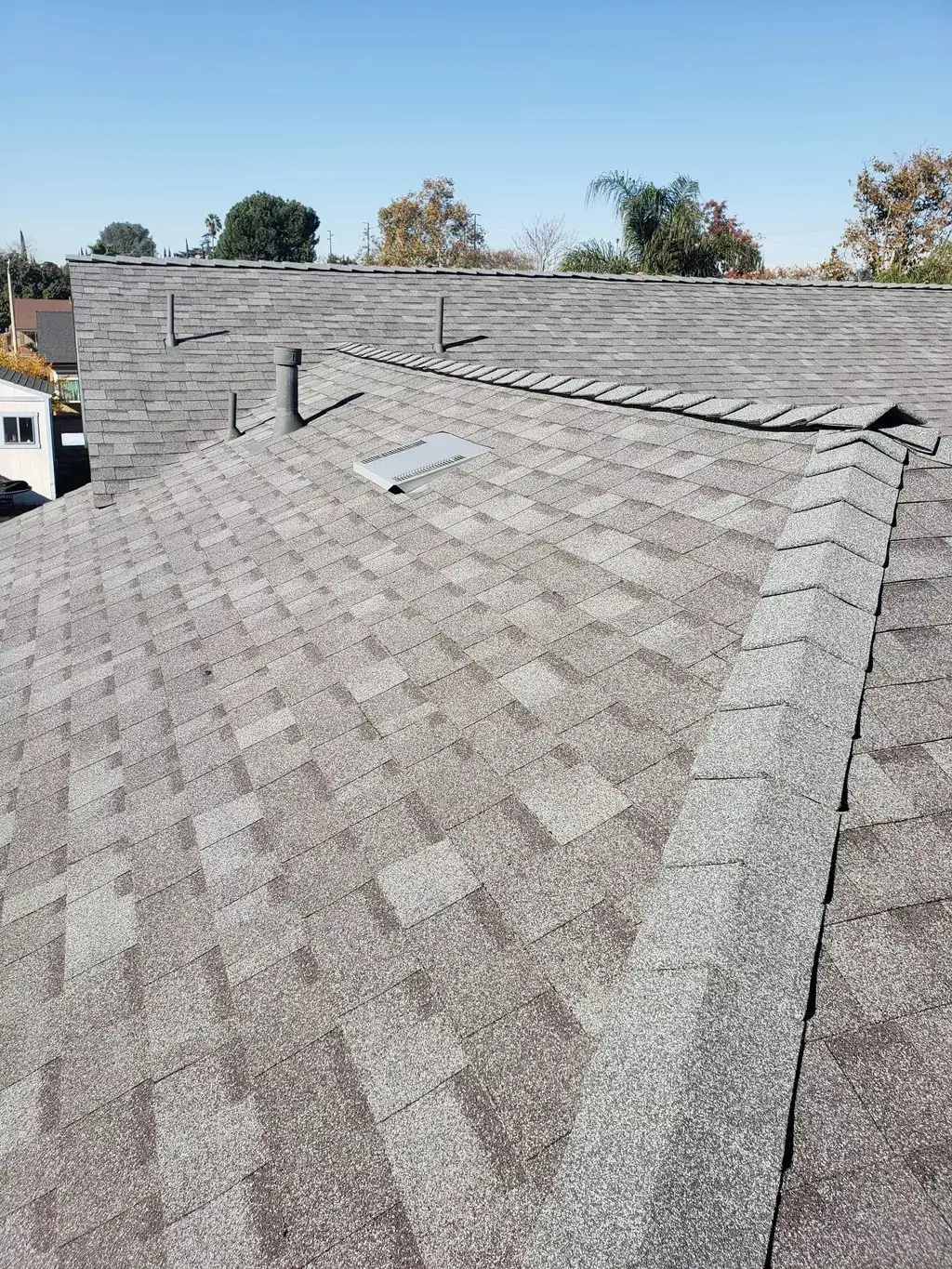
Class A is the highest fire rating a roof covering can earn under the standard burn tests, built for the most severe exposure. Here's the part that surprises people: you don't need an exotic product to get there. The materials we already install carry it. Concrete tile is noncombustible and inherently Class A, and the architectural shingle systems we install from Malarkey and Owens Corning achieve Class A as installed systems. The upgrade isn't a special order, it's a proper replacement with the right materials.
The roofs that scare me in fire country are the old ones. Wood shake, brittle decades-old shingles, aged roofs with gaps at the eaves and ridges where debris collects and embers can lodge. If that's what's on your house up against the hills, replacing it with a Class A system is the single most meaningful fire upgrade the structure can get, more than any single thing you can do in the yard.
One more reason this matters out here: in fire-risk areas, insurance carriers pay real attention to the roof. A documented Class A replacement can matter for insurability, and every GAX job comes with the paperwork to prove what's up there: a contract that names the exact materials, the permit and city inspection, and a drone photo record of the finished roof. Confirm the specifics with your carrier, every policy is different, but when they ask what your roof is, you'll have the file.
What a Class A Re-Roof Includes
- Full tear-off of the aged or combustible roof covering
- Deck inspection with damaged wood repaired or replaced
- Modern underlayment appropriate to the covering
- Class A covering: concrete tile or a Class A rated shingle system
- New flashings and edge details
- Permit and city inspection
- Drone photo documentation, your proof of what was installed
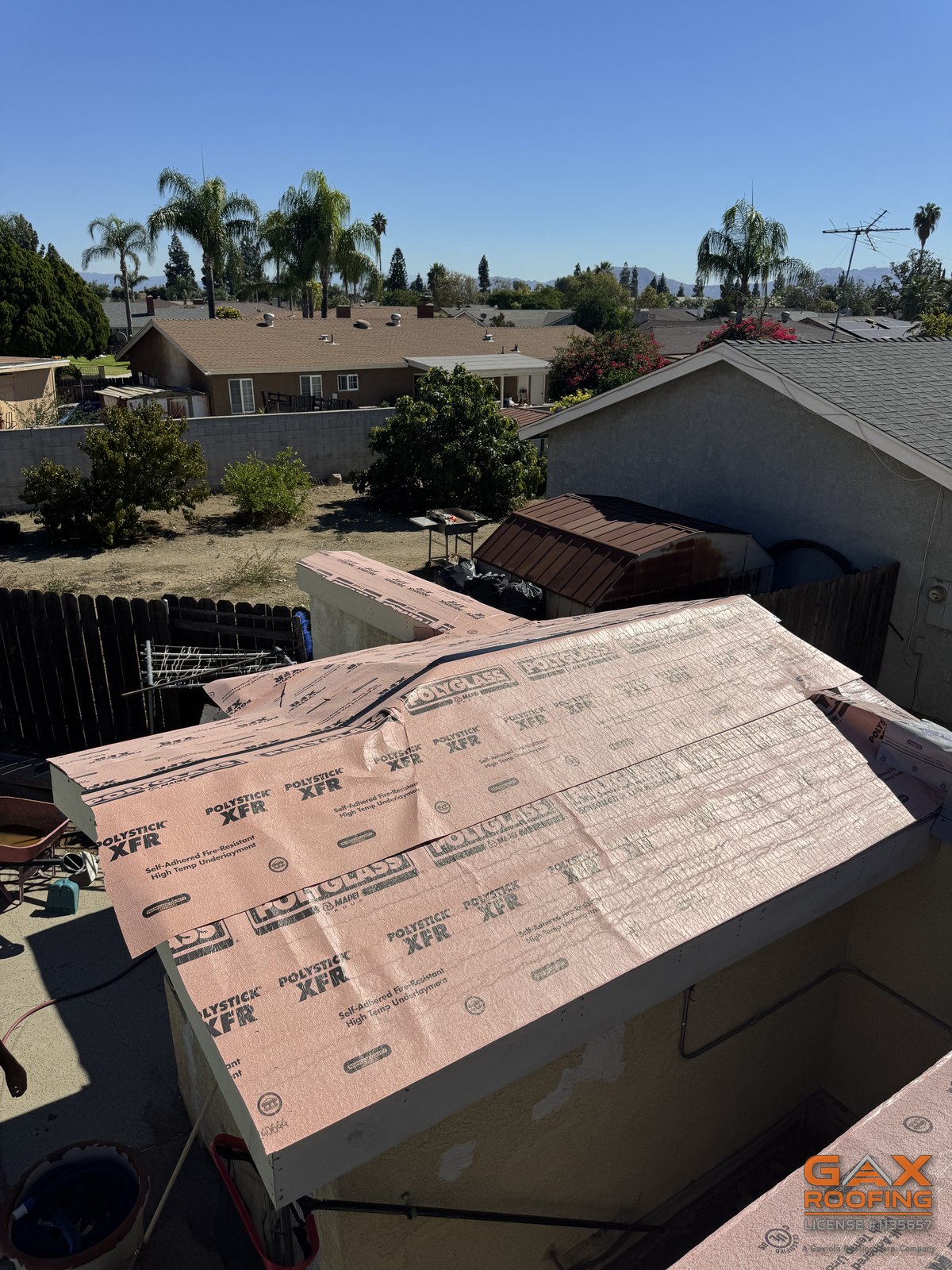
Polyglass XFR, a Fire-Rated Underlayment We Install
Polyglass XFR is a self-adhered underlayment with a fire-resistant formulation. It sticks to the deck rather than being nailed over it, and it carries its rating as part of the roof assembly, not as a coating somebody sprays on later. The pink you see here is not a temporary cover. On a finished roof it stays down there under the tile for the life of the system.
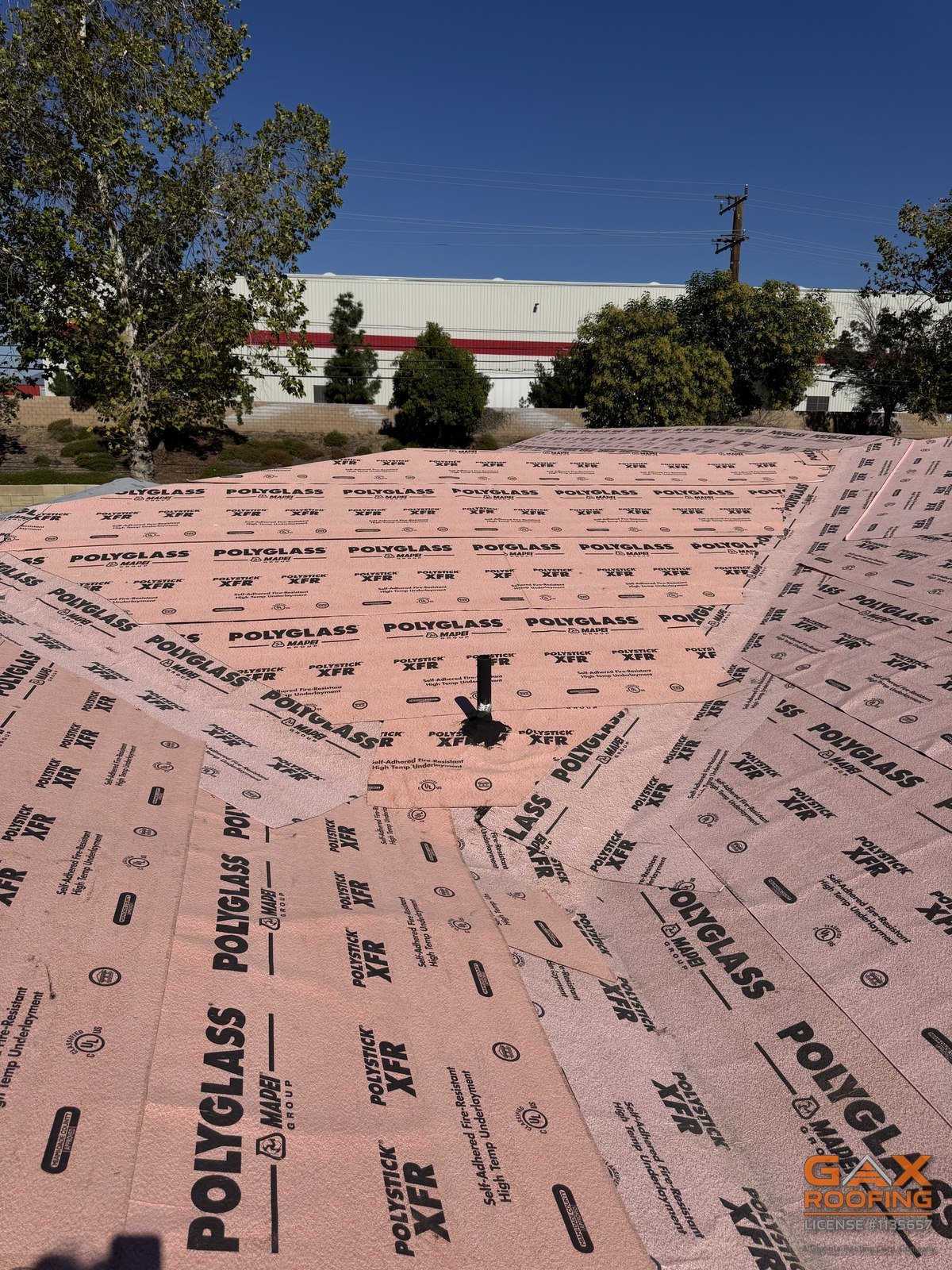
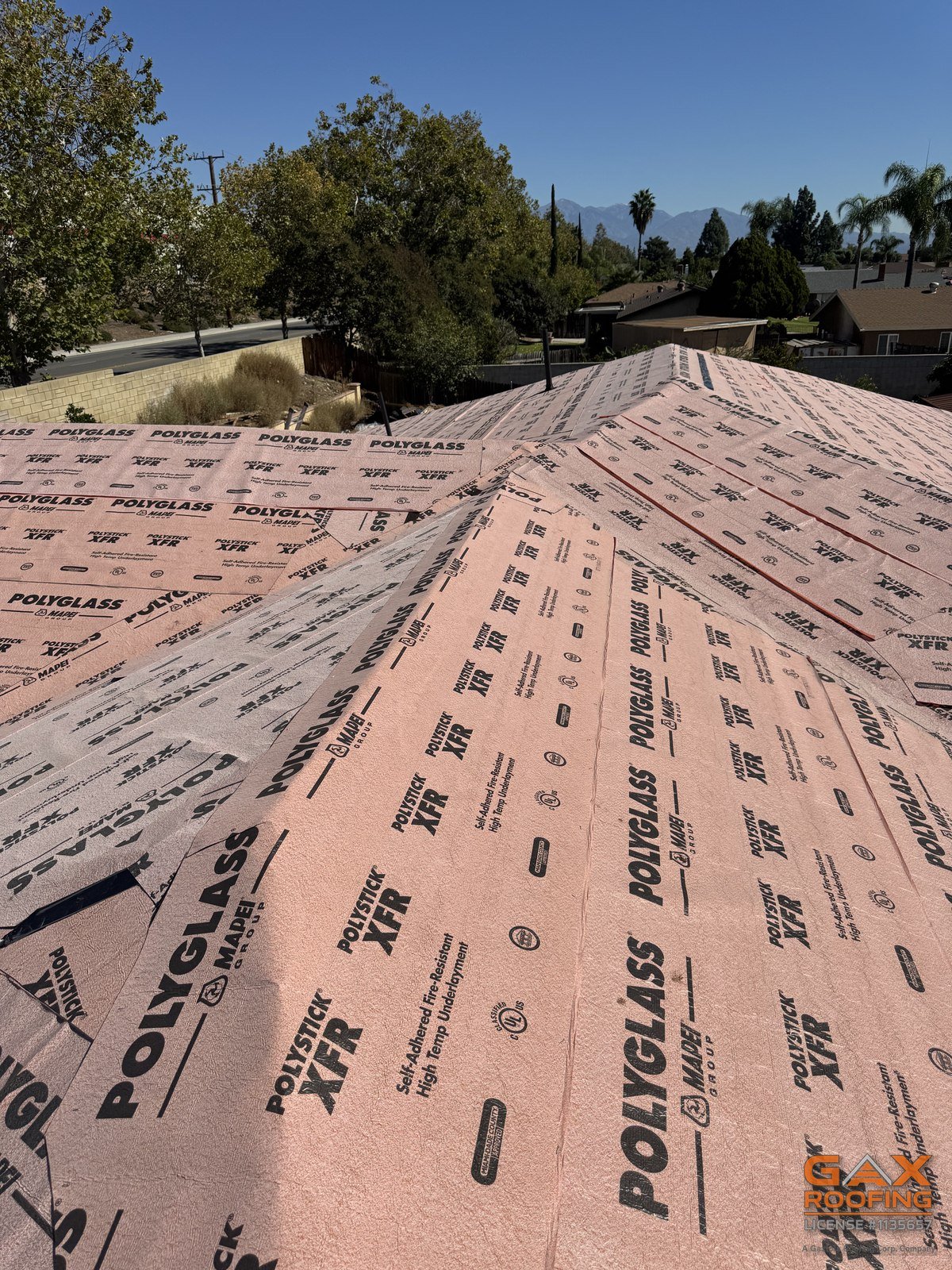
Straight with you about these two photos: they are from a Chino Hills job we took over, and that Polyglass went down before we got there. We install this material ourselves and we do not have our own photos of it from those years, so we are showing you the material honestly labeled instead of pretending. Next time we lay it, you will see ours here.
That Chino Hills Job, and Why It Went Sideways
The contractor who had that job papered the roof and walked. Here is the part that cost the homeowner real money: they did it with no permit.
A roof gets inspected before it gets covered. The city has to see the deck. No permit means nobody from the city ever saw it, and a roof that was never inspected does not get signed off just because it looks finished. Which means all of that paper has to come off so the deck can be looked at, and then go back on.
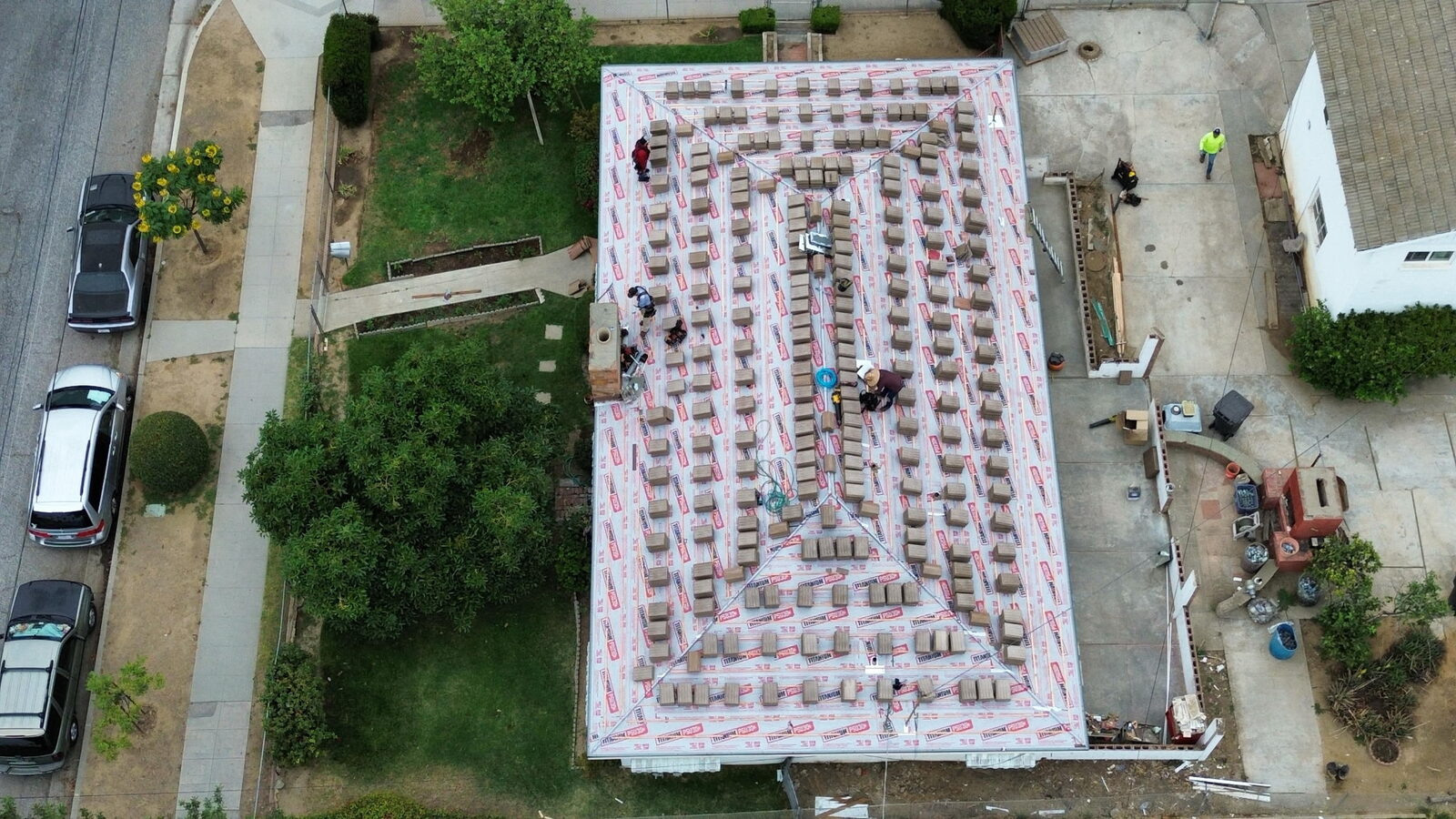
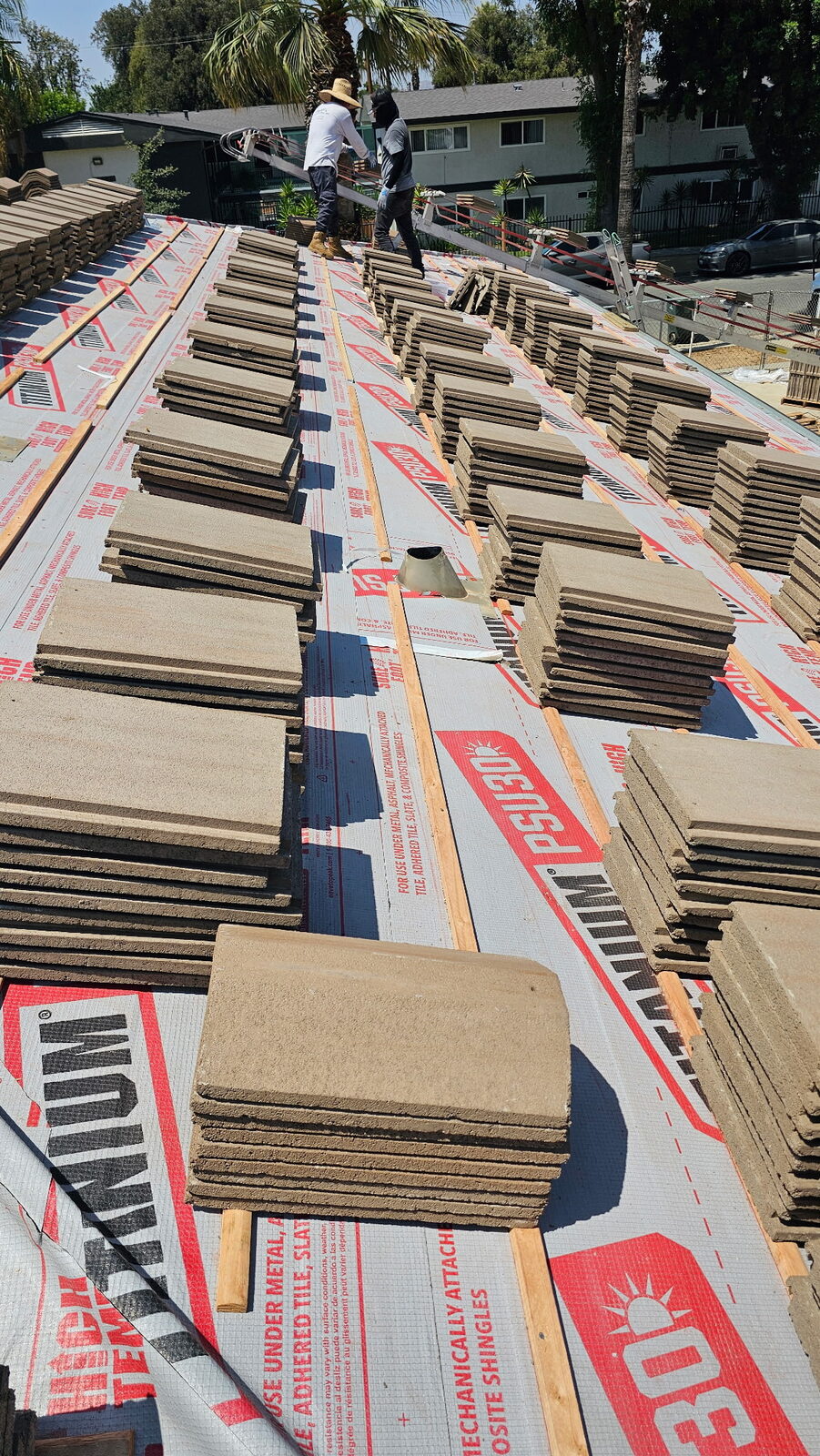
Meanwhile rain was on the horizon. So the Titanium you see in these next shots is ours, laid over sections to protect the deck while this got untangled, and we tarped over that too. Either one of those underlayments will keep rain out of a house on its own, and we still stacked both plus a tarp, because being wrong about that costs a homeowner a ceiling.
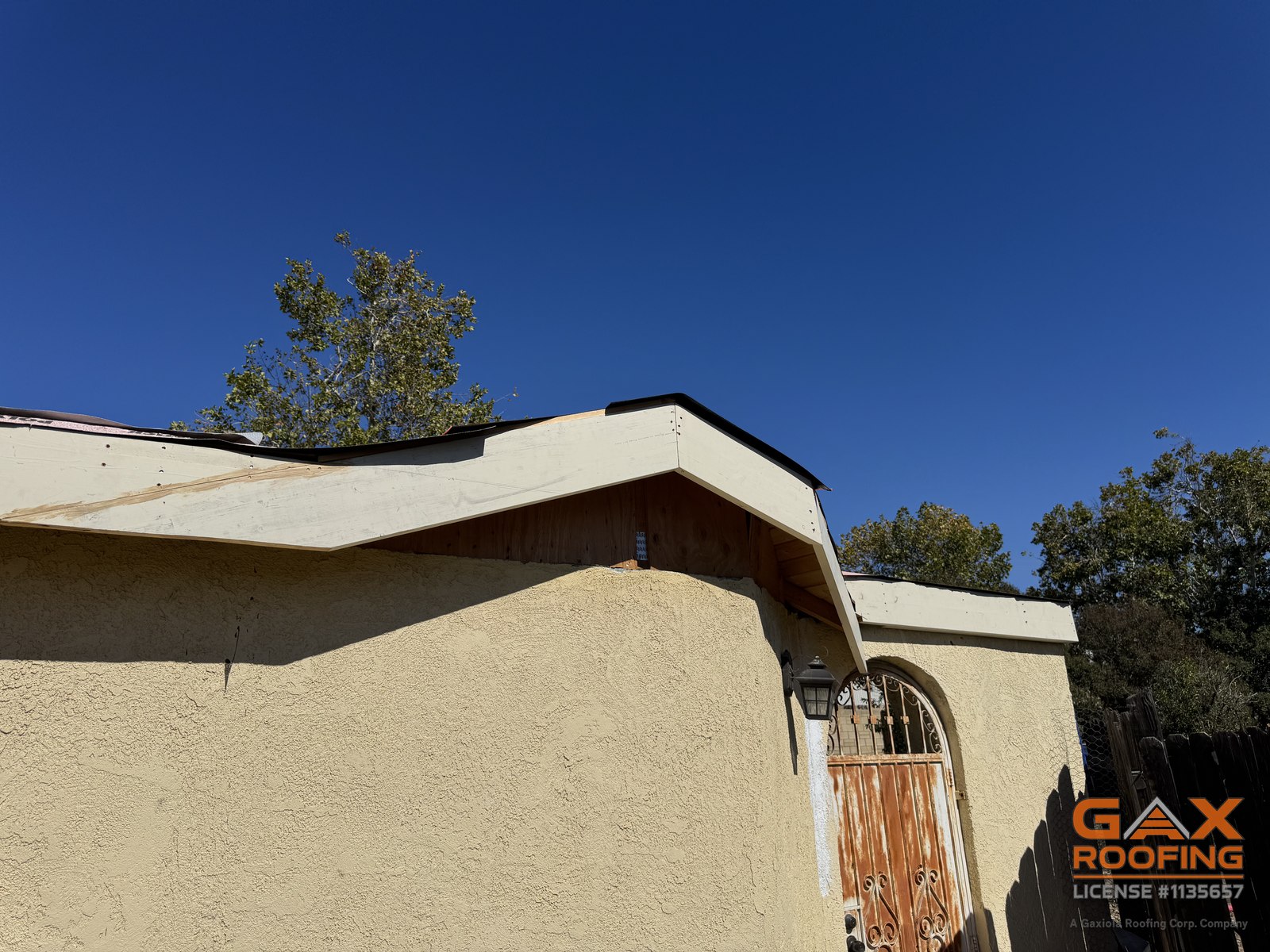
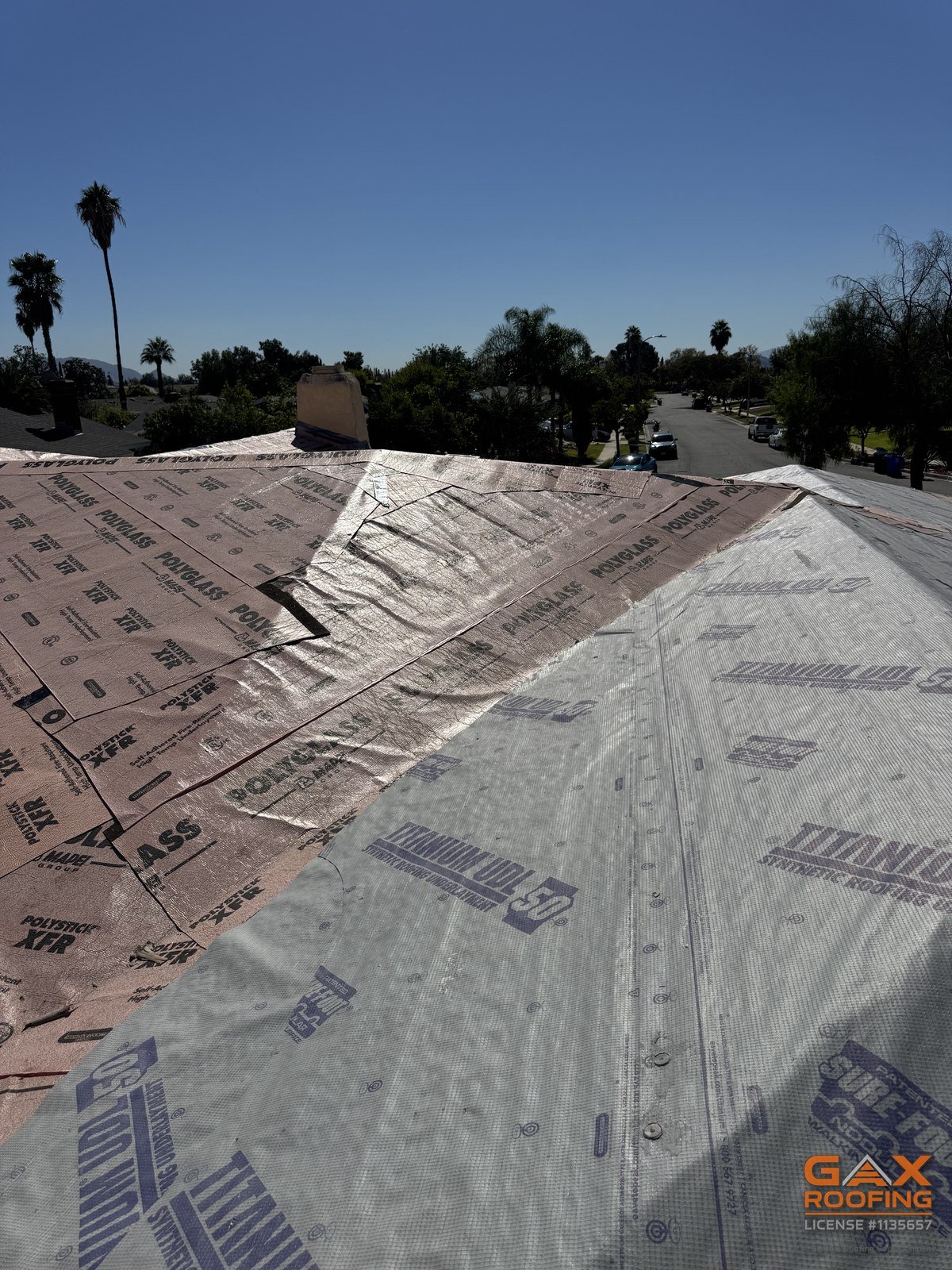
None of that layering is what anybody would call efficient. It got expensive for the homeowner fast, and every dollar of it traces back to one decision that had nothing to do with the roof: somebody skipped the permit.
Frequently Asked Questions
It's the top rating a roof covering can earn under the standard fire exposure tests, meaning the covering held up against the most severe test conditions. Both concrete tile and the architectural shingle systems we install can carry a Class A rating as installed. It's the rating fire-country homes should be built to.
Concrete tile is noncombustible and inherently Class A, which is hard to beat. But a Class A rated shingle system is also a serious fire roof, and the honest answer depends on your home, your budget, and the details, because gaps and debris traps matter as much as the covering itself. We walk the roof and give you the same recommendation we'd give a family member.
It can matter for insurability in fire-risk areas, and carriers increasingly ask what the roof is before writing or renewing coverage. Every carrier and policy is different, so confirm the specifics with yours. What we provide is the documentation: a contract naming the exact materials, the permit record, and drone photos of the finished roof.