Underlayment
Tile Roofs
October 2026
Underlayment Warranties:
Read the Paper, Not the Roll
On a tile roof the underlayment is the layer that keeps water out of the house, so how long it is warrantied is a fair question. Our supplier sent us the manufacturers' warranty papers. Here is what they actually say.
Arthur G.
Owner, GAX Roofing · C39 Licensed Contractor
"Ask to see the warranty paper. It tells you more than the sales pitch."
Why the Underlayment Matters
On a tile roof, the tile is the armor and the underlayment is what keeps the water out. The fasteners and battens hold the tile down. In my experience, when an older tile roof leaks, it is usually the layer under the tile that gave out, not the tile. That is why every contract we write names the underlayment by product.
So it is fair to ask how long that layer is warrantied. The answer depends on the product, and the warranty paper says a lot more than the roll does.
Three Products, Three Warranties
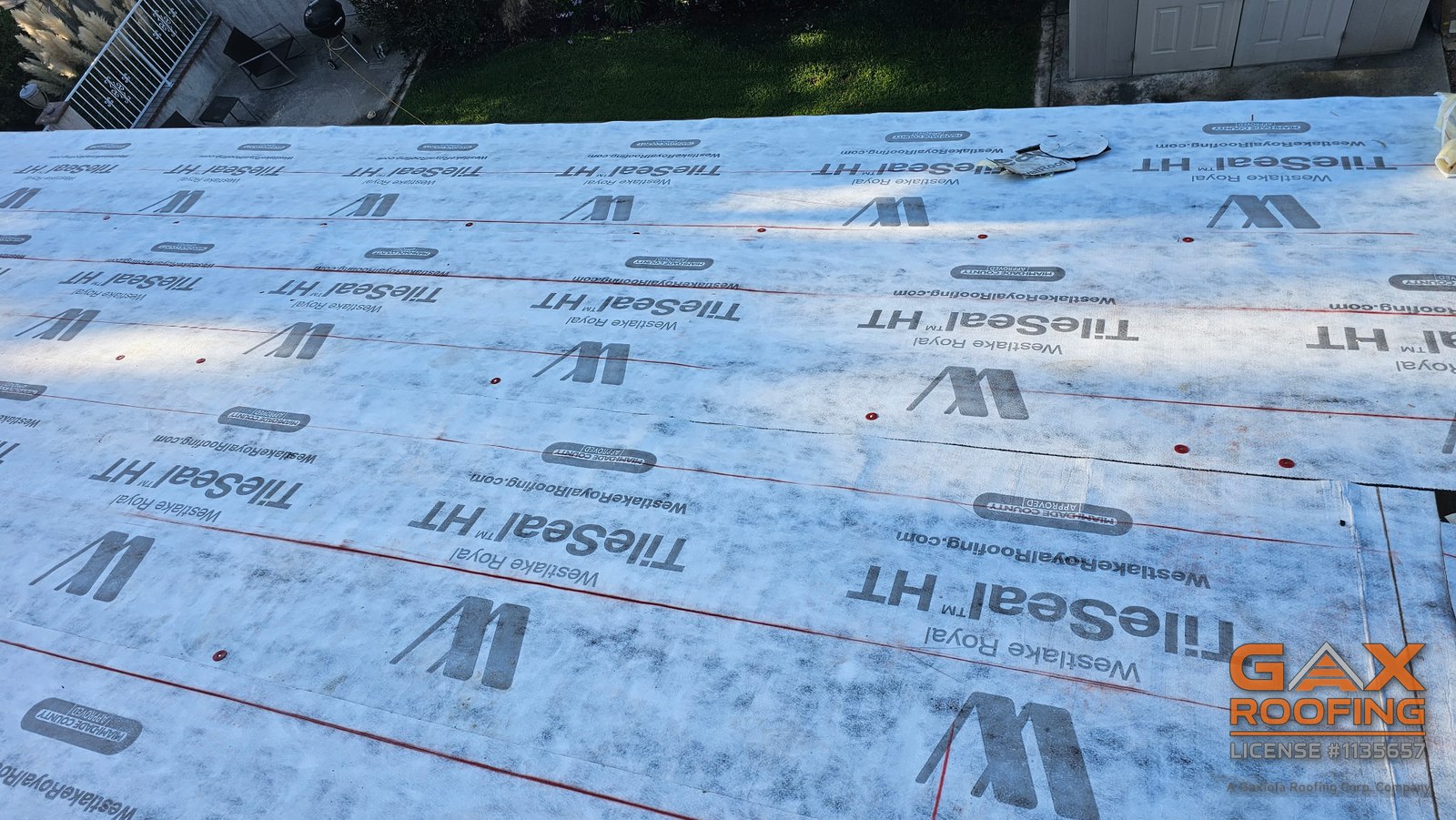
We install three self-adhered, peel and stick underlayments under tile. Our supplier sent us the manufacturers' own warranty papers, and this is what they say.
- Titanium PSU30: a limited lifetime warranty from Owens Corning, but only on a single-family detached home the owner lives in, and only for as long as that owner owns it. On any other home or building, including a rental or a house owned by a trust or a company, it is 40 years. It covers the original owner and is not transferable. If the product has a manufacturing defect, Owens Corning contributes to repairing or replacing the underlayment, not the labor.
- Westlake Royal TileSeal HT: a 30 year material warranty, issued by Owens Corning Roofing and Asphalt. It covers the original owner and is not transferable. What Owens Corning will pay is capped at what the TileSeal HT itself cost, and after the first 10 years that amount is reduced 5 percent for every year of service.
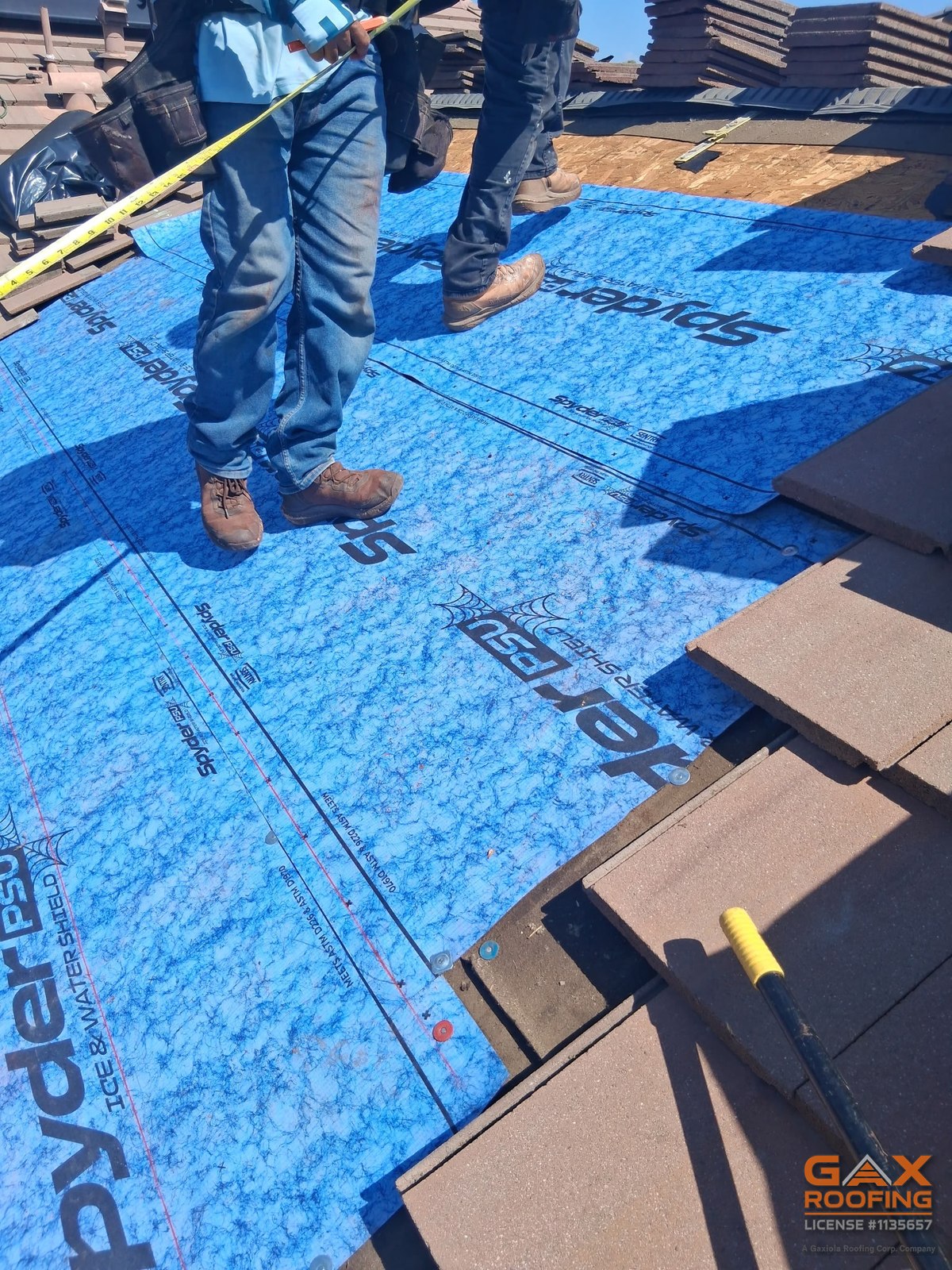
- Spyder PSU: a 20 year limited warranty from Sentry Building Innovations, for the original owner, and it does not transfer to the next owner of the house. If the product is proven defective, the remedy is replacement product or a refund of what the product cost.
All three get installed the same careful way on our jobs. The difference is in the paper, so the paper should be part of the conversation.
What a Material Warranty Doesn't Cover
Read the exclusions. A few stand out on all three papers.
- Installation. TileSeal HT excludes workmanship defects and material not installed to the instructions. Titanium and Spyder exclude improper or faulty installation.
- Weather and traffic. All three exclude hail and other severe storm damage, and damage from foot traffic on the roof.
- Later work on the roof. All three exclude changes made after the roof is done. TileSeal HT names solar collectors, antennas and air conditioning equipment. Titanium and Spyder name equipment installation and other alterations.
- The tile. Spyder spells out that it does not cover the cost of removing or replacing the roofing on top of it, and the Titanium remedy excludes labor. On a tile roof, getting to the underlayment is most of the labor.
That Is What the Workmanship Warranty Is For
A manufacturer's warranty is about the product. If the roof leaks because of how it was installed, that is on the roofer, and it is the roofer's workmanship warranty that pays for the labor to fix it. Ours is 10 years, written into the contract, and it transfers one time if you sell the house.
Who the Warranty Belongs To
All three papers are written to the original owner. If you sell, those material warranties don't follow the buyer. If you are buying a house with a newer tile roof, ask which underlayment went down, ask for the paperwork, and read who it is written to. Our How to Read a Roof Inspection guide goes through what else to ask.
Claims Have Deadlines
All three papers give you 30 days from the day you discover a problem to notify the manufacturer, and all three say that repairing or replacing the product before the manufacturer looks at the claim can cost you the claim. If a newer roof leaks, call your roofer, document it with dated photos, and don't let anybody tear into it before the claim is made.
What to Ask Before You Sign
- Which underlayment goes under my tile, by name, and is it written in the contract?
- What is that product's warranty, in years, and can I see the paper?
- Who is the warranty written to, and does it transfer if I sell?
- Who registers it, if the manufacturer requires registration?
- What does your workmanship warranty cover, and for how long?
More on reading a contract line by line is in our roofing contract checklist.
The roll tells you the brand. The warranty paper tells you what you actually have.
Planning a Tile Roof?
Free in-home estimate, in writing, with the underlayment named and its warranty in the conversation. We do asphalt shingle roofs, tile replacement with new tile, tile lift and relay, and flat roofs across the Inland Empire.
(909) 819-8394
Book a Tile Estimate