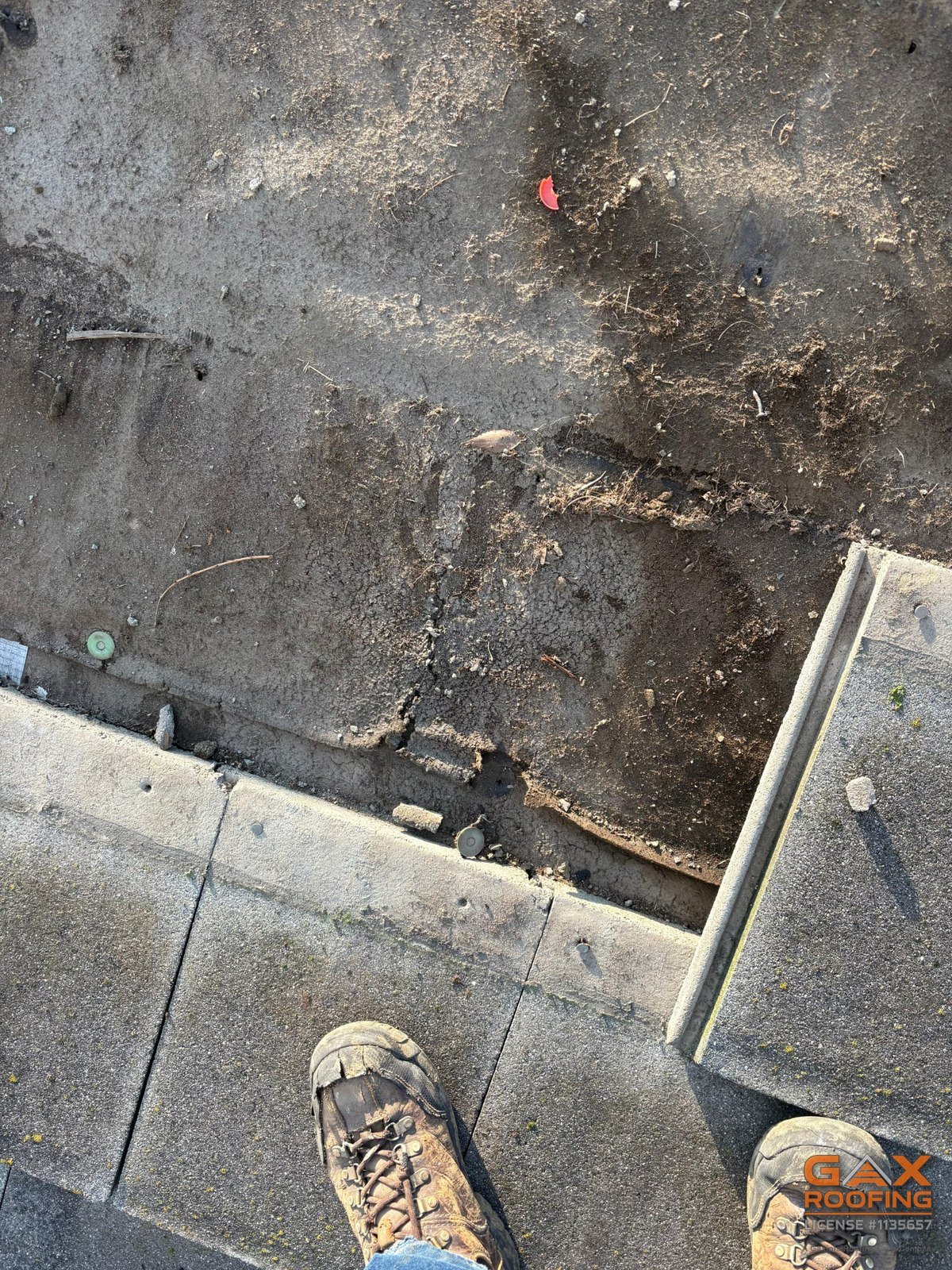
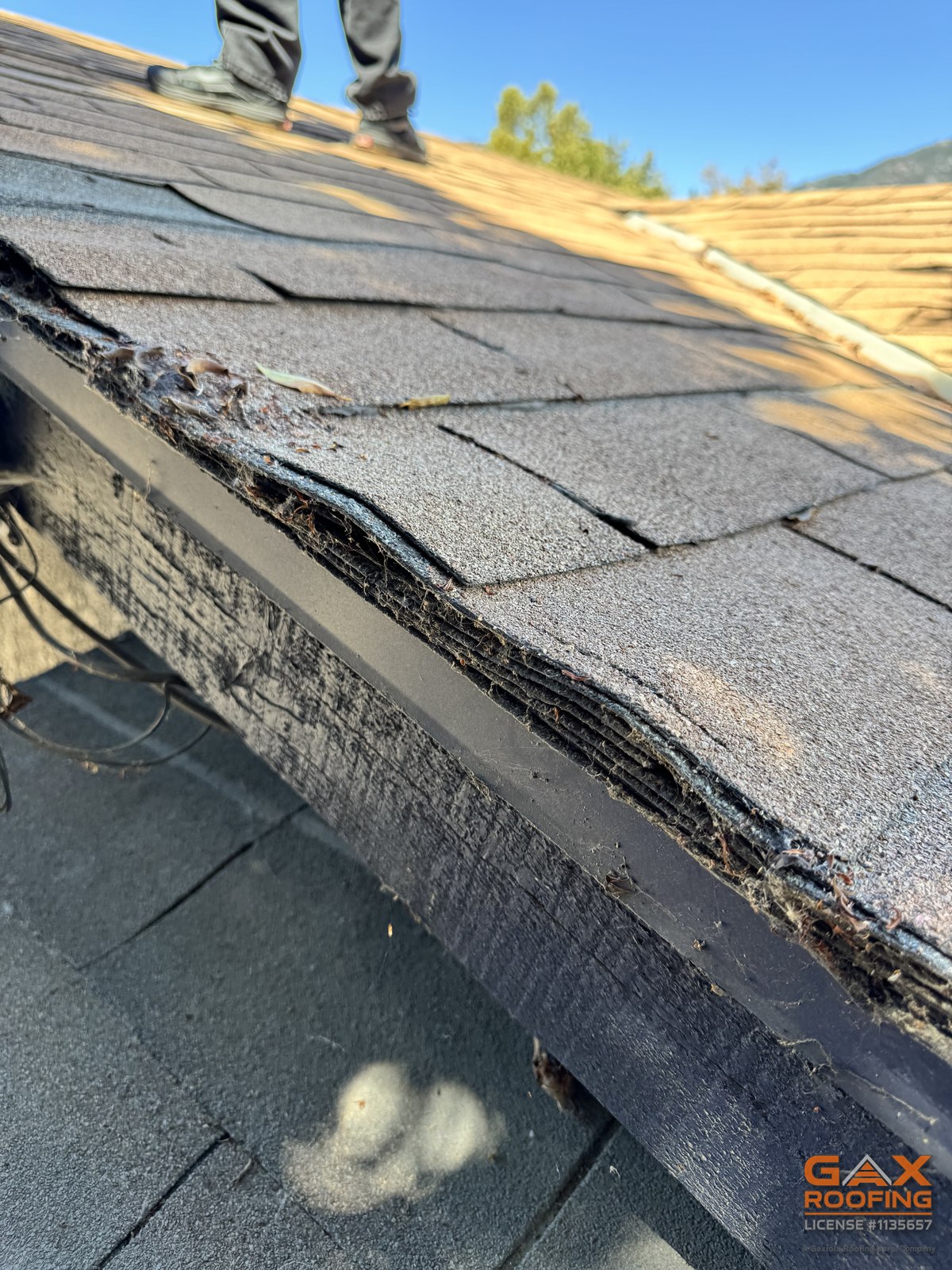
What it can show
The covering from above or from the ground: broken or slipped tile, worn or lifted shingles, standing water on a flat roof, flashing, vents, gutters and drainage. From the attic: staining, daylight and the underside of the deck.
A roof report on a home sale mixes three things: what the inspector saw, what they couldn't see, and what they think it means. Here's how to sort them, before you decide anything.
Get a Free Estimate →Sort every line of the report into what was seen, what couldn't be seen, and what someone thinks it means. A visual inspection can tell you a lot about the surface and very little for certain about the deck and the underlayment under it, so treat any number of years left as an opinion, not a measurement. Then turn the findings into a short list: what needs work now, what to settle before you close, what to budget for, and what's routine.
California law defines a home inspection on a sale as a noninvasive physical examination meant to find material defects: problems that significantly affect a home's value, desirability, habitability or safety. Noninvasive is the key word. Nobody lifts the roof to look.
The covering from above or from the ground: broken or slipped tile, worn or lifted shingles, standing water on a flat roof, flashing, vents, gutters and drainage. From the attic: staining, daylight and the underside of the deck.
The underlayment under the tile, the weather side of the deck, how many layers are on the house without looking at the edge, and how the tile was fastened. Those take lifting material, or the tear-off itself.
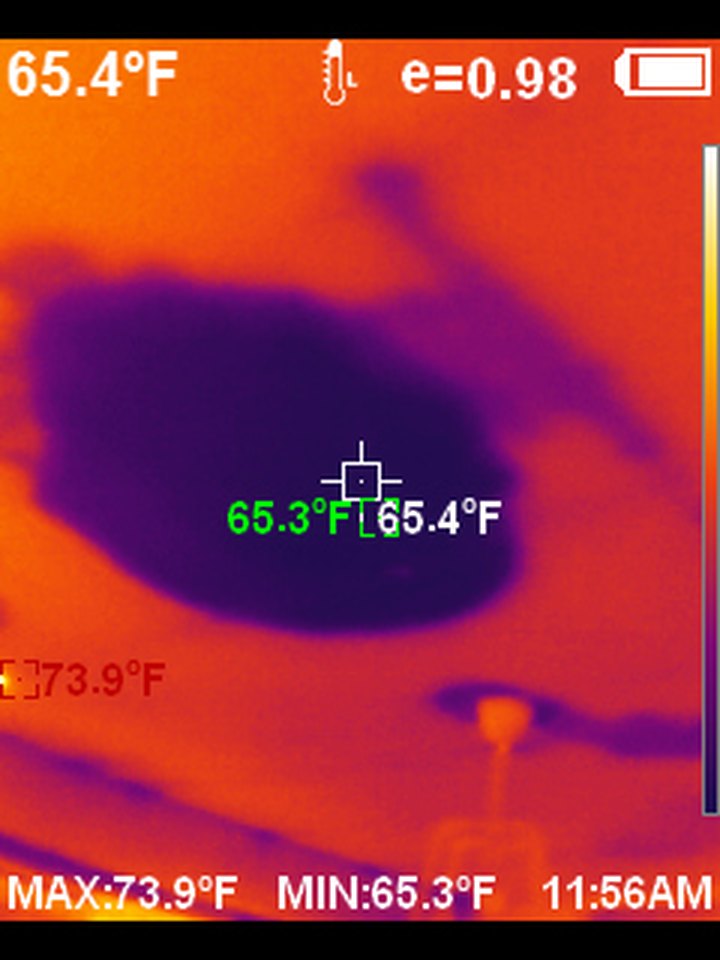
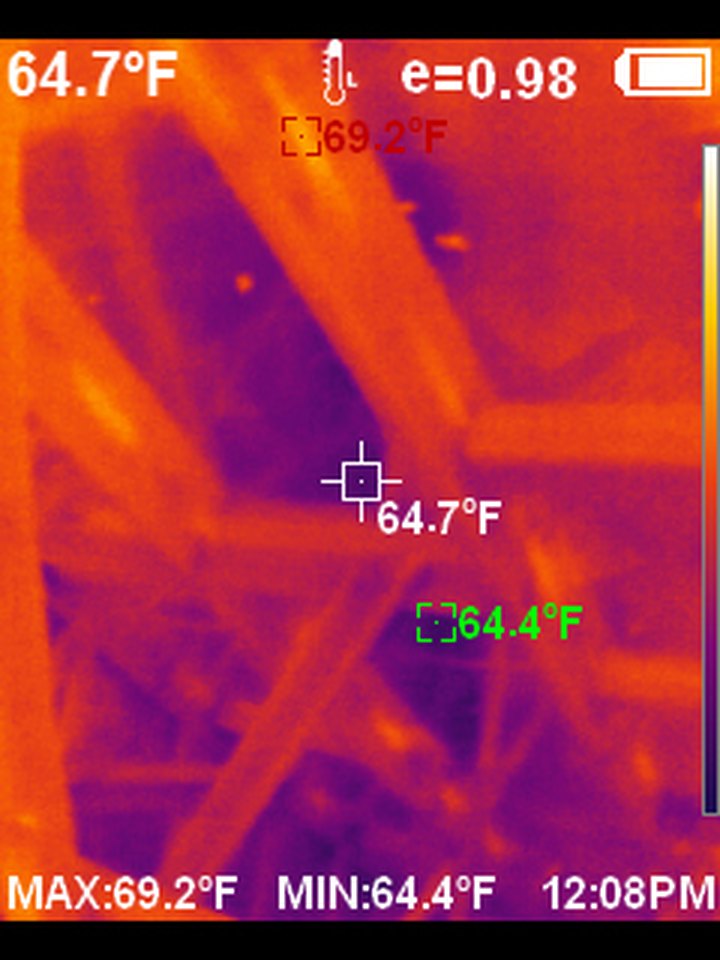
A drone or a thermal camera gives you a theory and a place to look. A cold spot can be water, a draft, missing insulation or a duct. The attic, or lifting material, confirms it.
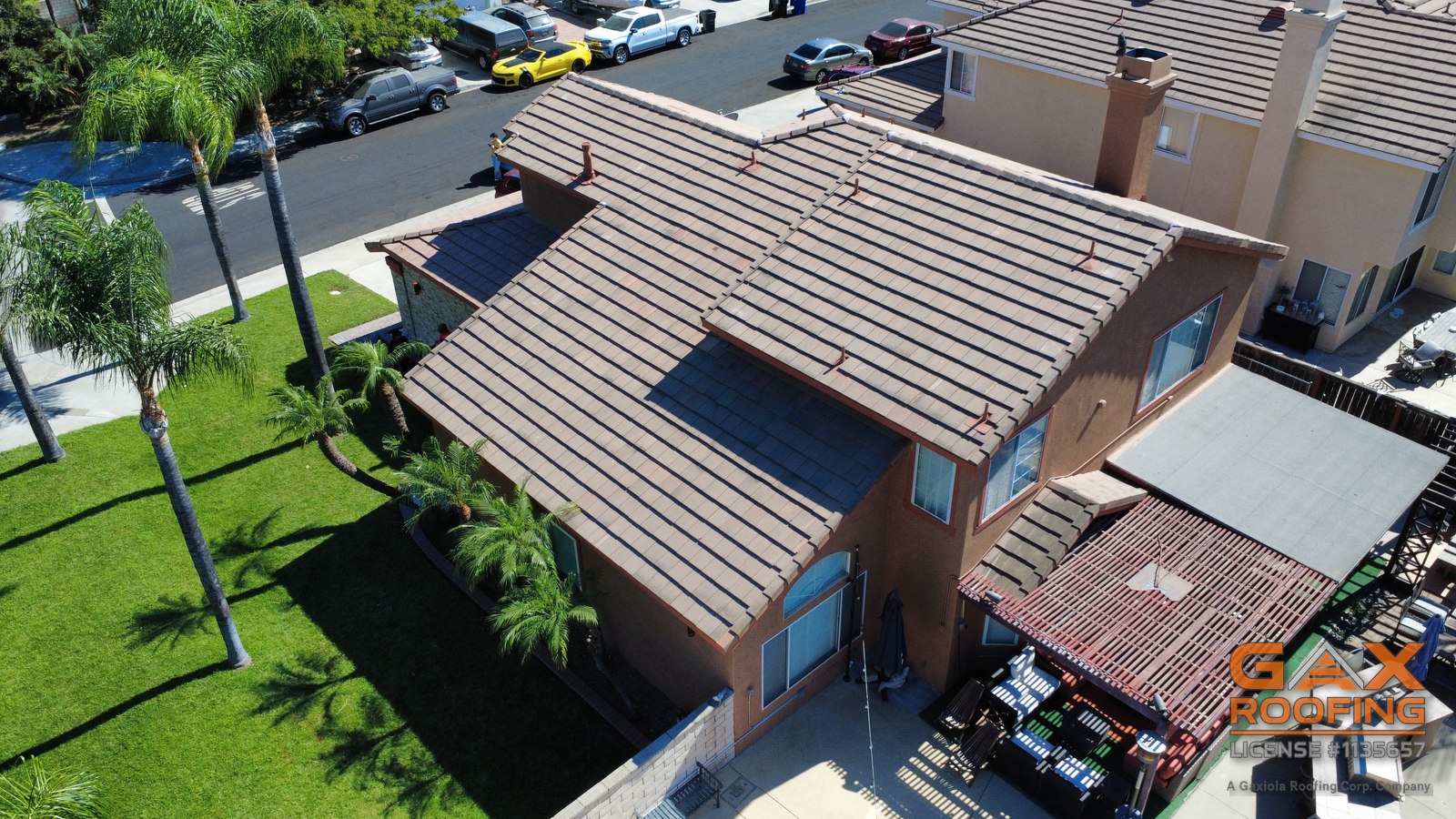
A house with a garage, a patio cover and an addition has more than one roof. A report should name each section and say whether it was inspected.
Main roof, garage, patio cover, additions, detached structures and any flat or low-slope sections, each with its covering and condition.
Look for notes on where an upper roof drains onto a lower one and where a wall rises out of a roof. On a leak call, those are the spots we look at first.
A simple sketch or an aerial with the sections labeled makes every later finding easy to find on the house.
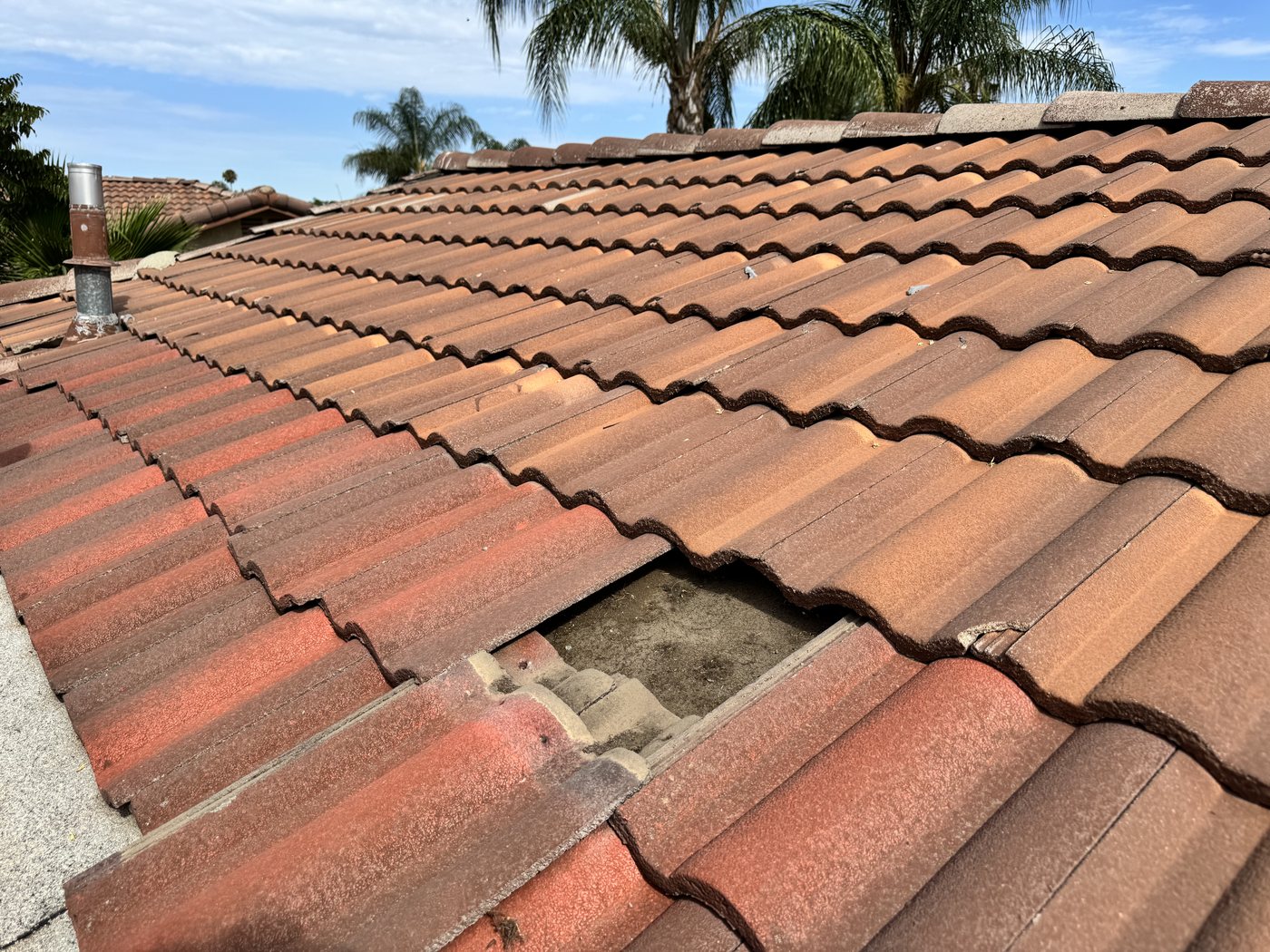
A few cracked tiles can be swapped. A lot of them, or tile sliding out of line, is a reason to look at what's underneath. From the ground, look for tiles dropped below their line, gaps of shadow or pieces sitting crooked.
Pale, shiny patches where the fiberglass mat shows through mean the granules are gone. Curled, cupped or cracked shingles and caps should be noted with their location.
Standing water more than 48 hours after rain is a sign of a drainage problem. Seams and penetrations are where a flat roof opens up.
A coating is only for a roof that is still fundamentally sound. If a report recommends one, it should also say the roof under it is sound.
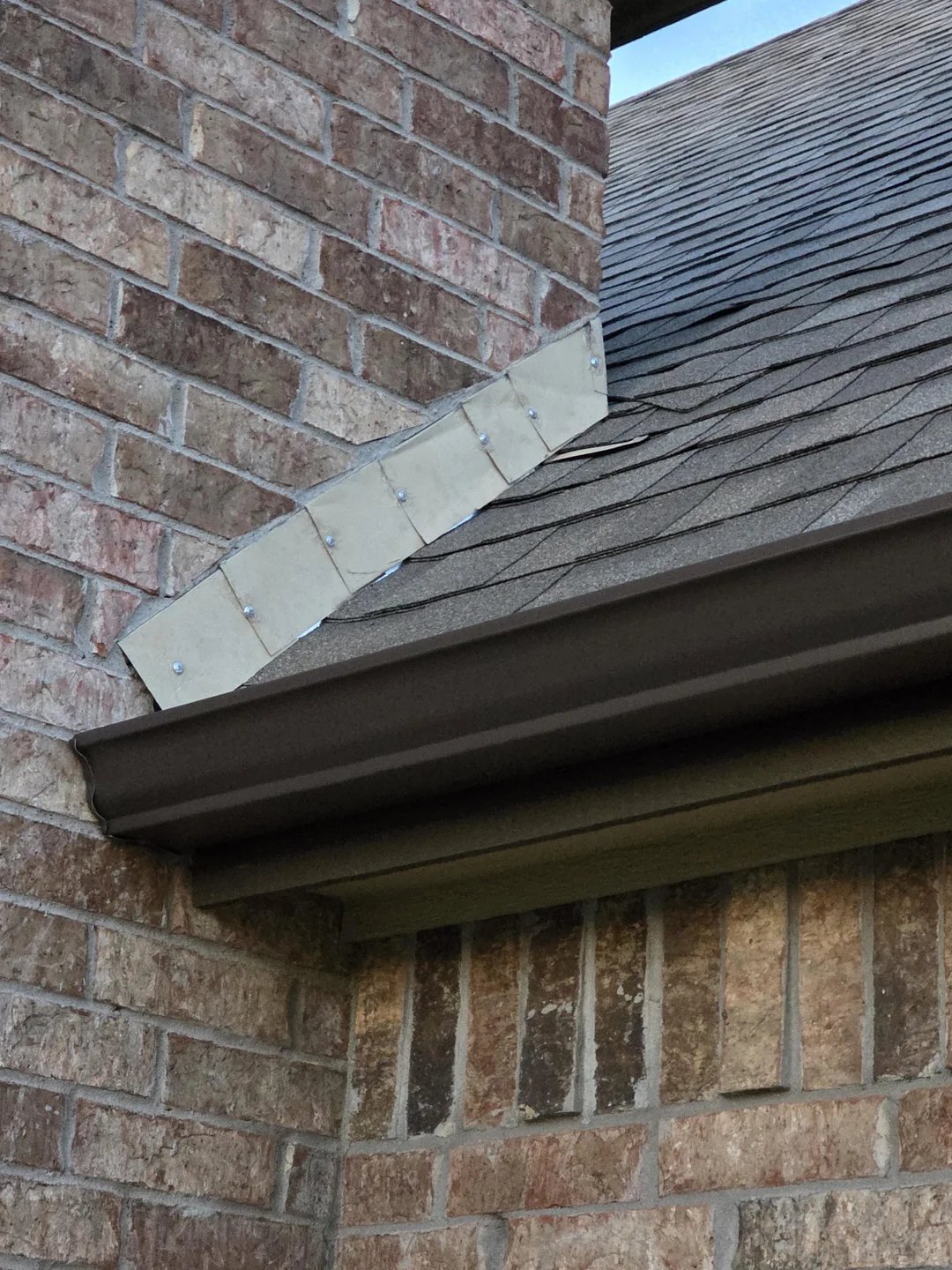
Flashing is the seal. Caulk smeared over a gap is not flashing, it's a delay. Nail heads through the face of the metal are a shortcut that leaks later.
A valley needs an open channel. Tile run too far into it turns it into a dam.
Every pipe, vent, skylight and solar mount needs its own flashing. On tile, that's one at the tile and another at the deck.
Drip edge at the eaves, gutters that are attached, and downspouts that move the water away from the house.
The stain is rarely right under the leak. Water gets in at one point and travels along the underlayment or the framing before it shows.
Staining on the rafters and the underside of the deck, daylight, soft or sagging spots, and wet or stained insulation, each with a location.
A freshly painted ceiling under a roof with a history is worth a question. A thermal scan can show moisture paint hides, and the attic confirms it.
Old staining on solid wood is a record of a past leak, not proof the wood failed. Someone has to check it.
Air needs a way in low, at the eaves, and a way out high. The report should say what vents the attic has.
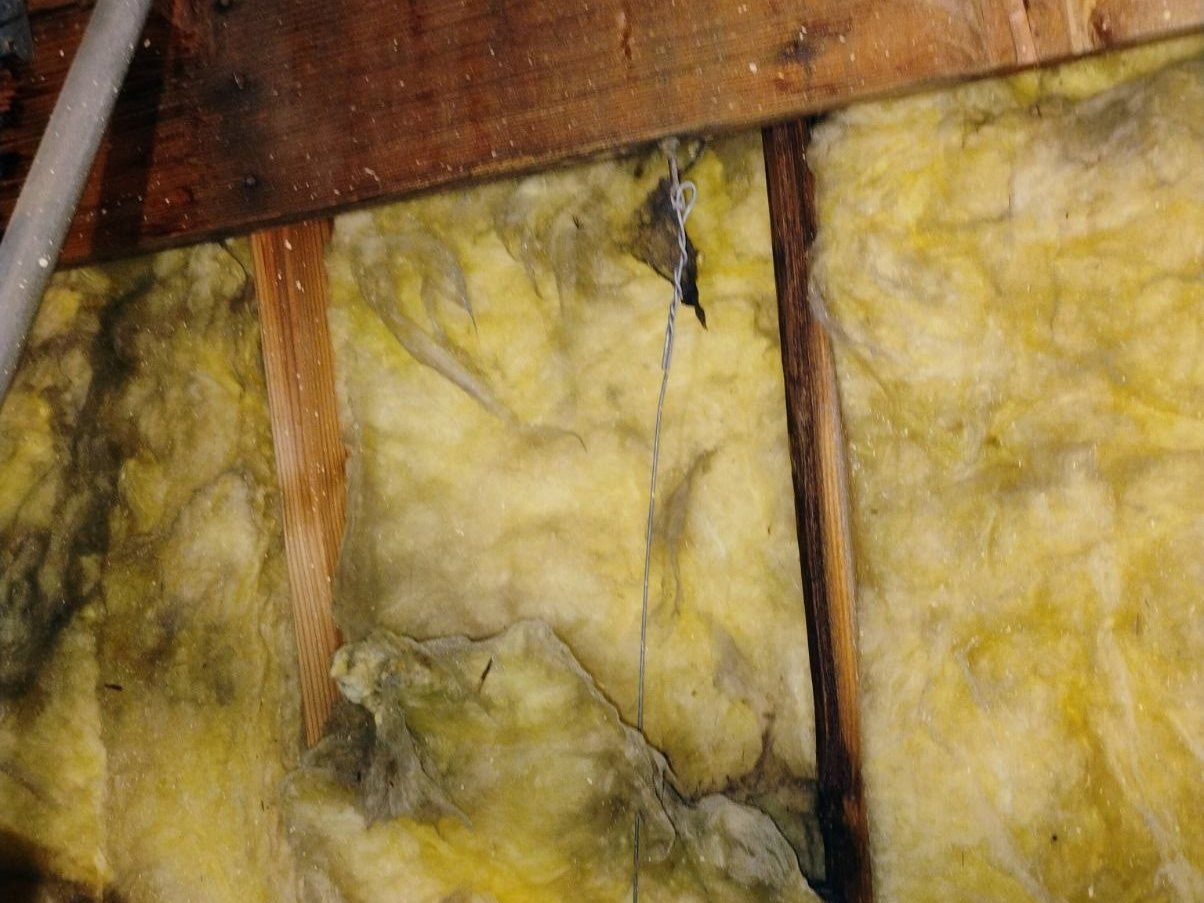
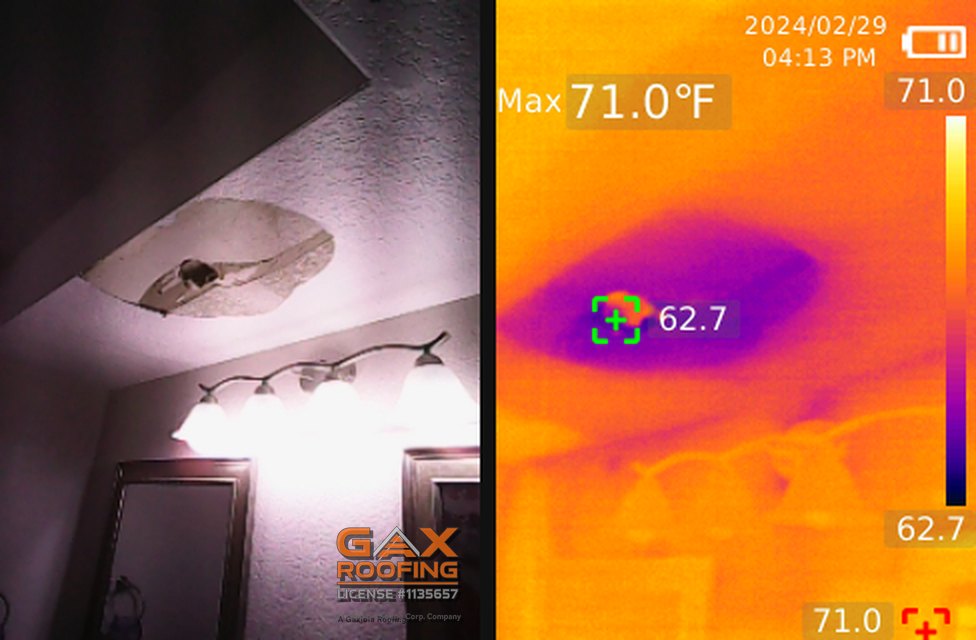
Most confusion in a roof report comes from mixing different kinds of statements. Here's how to tell them apart.
| What the report says | What kind of statement it is | What to do with it |
|---|---|---|
| "Three cracked tiles on the north slope above the garage, photo 12" | An observed fact, with a location | Useful as written. Get it priced or monitored. |
| "Roof shows signs of wear" | A vague observation | Ask where, and what was seen |
| "Likely caused by foot traffic" | A likely cause, which is an opinion | Fine, as long as it's labeled as one |
| "Underlayment not visible, not evaluated" | A limitation | This is the part that may need lifting material |
| "Recommend evaluation by a licensed roofing contractor" | A recommendation | Get it done while you still have time to act on it |
| "Approximately 5 years of remaining life" | An estimate of the future | Ask how it was reached. The surface can't show the deck or the underlayment. |
| "Roof certified for 2 years" | A promise with written terms | Read the terms: what's covered, for how long, and who pays if it leaks |
One vague line, made useful. Vague: "Some cracked tiles noted." Useful: "Four cracked and two slipped tiles on the west slope above the patio cover, photos 8 to 10. Underlayment under them not visible."
Put every finding in one of four groups. It turns a long report into a short to-do list.
Active leaks, open areas, anything letting water into the house.
Findings you want repaired, priced or looked at more closely before you commit.
Wear that isn't leaking yet: tired pipe seals, a crowded valley, cracked caps.
Maintenance: gutters, debris, a check before the rains. Our maintenance calendar covers it.
When a finding needs work, get a written price from a licensed roofer, with the products named.
When the report says the underlayment or the deck wasn't visible and the roof has a history, ask a roofer to lift a few tiles or check the edge for layers.
Ask the building department for the address whether there's a permit on record for the roof.
A second opinion on a leak that keeps coming back should use instruments, not just eyes.
Check the license of whoever gives you a roof opinion on the CSLB site. Home inspectors aren't exempt from California's contractor licensing law, and the law treats it as an unfair business practice for a home inspector to offer repairs, for an extra fee, on a home they reported on in the past 12 months.
Whether it comes from a home inspector or a roofer, this is what makes a roof report usable later, in the sale and after it.
Not with certainty. A visual inspection sees the surface, and the deck and underlayment under it aren't visible without lifting material. Treat any remaining-life number as an opinion, and ask how it was reached.
In the Business and Professions Code, it's a written statement by a licensed C-39 roofing contractor who inspected the roof, made any needed repairs, and warrants that the roof is free of leaks when the certification is issued and should perform as designed for the term it states. Read what it covers, for how long, and who pays if it leaks. We write roof certifications only on roofs we've worked on.
California law treats it as an unfair business practice for a home inspector to offer repairs, for an extra fee, on a home they reported on in the past 12 months, with limited exceptions. Get repair pricing from a licensed roofer.
It's a lead, not a diagnosis. A cold spot can be water, a draft, missing insulation or a duct. The attic, or lifting material, confirms it.
If the home inspection recommends evaluation by a roofer, or the roof has a history of leaks, yes. A licensed roofer can price the repairs and, where needed, lift material to see what the home inspection couldn't.
The date and who did it, every roof section, dated photos with locations, what wasn't inspected and why, findings written as what was seen, and recommendations kept separate from the findings.
Buying or selling and the roof report raised questions? We'll look at the roof, tell you what we can see and what we can't, and put it in writing. We do four kinds of roofs: asphalt shingle roofs, tile replacement with new tile, tile lift and relay, and flat roofs, across the Inland Empire.
Related: Roof Inspection and Understand Your Roof.
Get a Free Estimate →Pages checked October 6, 2026. This guide explains how to read a report; it isn't legal or real estate advice.