Roof Repair
Insurance
October 2026
The Leak That Waited
on Insurance
A homeowner in Fontana signed with us to fix an active leak. Then they asked us to hold so they could try insurance first and not go out of pocket. The rain beat the claim, the claim got denied, and now the repair is bigger. Here's what happened, and what I'd tell anyone in the same spot.
Arthur G.
Owner, GAX Roofing · C39 Licensed Contractor
"Waiting on insurance doesn't stop the rain."
A Leak, and a Homeowner Ready to Fix It
A homeowner in Fontana called us with an active leak in their shingle roof. When we got up there, the problem wasn't the age of the roof. It was how the roof was put on. The nails were too short. Short nails can't hold the shingles down, the wind got under them, and that's where the water was getting in.
The homeowner signed with us to fix it. The plan was to get it done before the next rain.
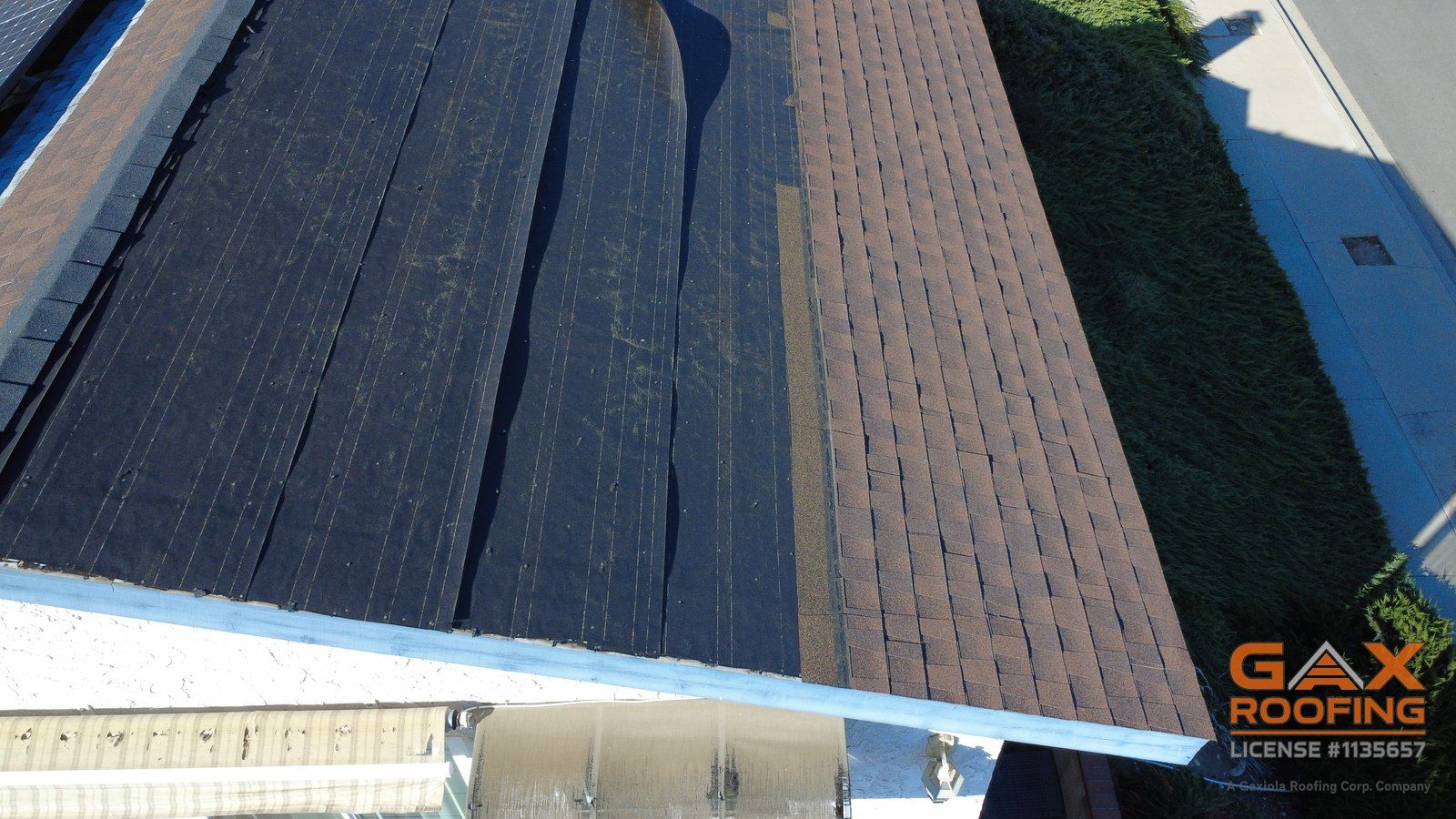
Not the Fontana roof. This one is in Rancho Cucamonga, from this month: an earlier repair used nails that were too small, and the wind found them.
Then the Plan Changed
After signing, the homeowner asked us to hold off. They wanted to try their insurance first so they wouldn't have to pay out of pocket. I get it. Nobody wants to pay for a roof if insurance might. That's their right, and I'm never going to tell anyone not to call their insurance company.
We told them straight what we found: the roof was installed wrong. What a policy covers isn't our call. That's between the homeowner and their insurance company. So we held the job, and the roof sat there waiting on the claim.
Then It Rained
The rain came before the roof got fixed, and it came hard. A roof that was already letting water in took a lot more of it.
Illustration: the roof waits its turn. The rain doesn't.
The Claim Came Back Denied
The insurance company denied the claim for workmanship errors. So the homeowner is paying out of pocket anyway, and now we have to replace a bigger section than we would have before the rain. Holding the job to save money didn't save them anything. It cost them more roof.
Waiting on insurance doesn't stop the rain.
Why Short Nails Matter
A shingle is only as good as what's holding it down. The manufacturer spells out how to fasten it, and that's what the shingle was tested to hold with. Use nails that are too short and the shingles let go when the wind picks up. Then the water follows. We fasten to the manufacturer's specifications on every roof. How the wind gets under a roof is in our post on Santa Ana winds and blown off shingles.
Insurance Isn't for Old or Bad Work
Think about an old BMW. If the engine blows because the car is old, or because nobody kept up the maintenance, you can't file a claim on it for being old. If it blows up, it blows up. A roof works a lot the same way. Policies usually exclude wear and tear, and this one got denied because of how the roof was put on. If the problem is age or a bad install, don't count on a claim to pay for it, and don't wait on one to stop the leak.
What I'd Do If It Were My House
Stop the water first. The California Department of Insurance's claims guide says one of the most important things to do after a loss is make temporary repairs so the damage doesn't get worse, like covering a damaged roof with plastic sheeting. It also warns that a policy may not cover the damage that follows if you didn't take reasonable steps to protect the house. A tarp now costs a lot less than a bigger roof later. If you've got a leak tonight, call us and we'll tarp it first. Inside the house, a bucket in the attic can save your ceiling while you wait.
Take pictures before anything gets covered. Get photos of the damage before the tarp goes on. We photograph what we find and walk you through the pictures.
Keep your receipts. If the loss is covered, the same guide says reasonable costs to protect your property get reimbursed, as long as you save the receipts.
Hold off on the big repair, not the tarp. If you're filing a claim, the guide also says not to make extensive permanent repairs until the adjuster has seen the damage. Stopping a leak and replacing a roof aren't the same thing. You can file the claim and protect the house at the same time.
Know what caused it. A lot of policies cover wind, and your policy and your insurance company decide what's covered after the deductible. If you get a denial and think it's wrong, the guide says a denial has to come in writing with the reasons, and the Department of Insurance can review it.
If You Have a Leak Right Now
Call us. We'll tell you what we see and what caused it, and if it needs a tarp, we'll tarp it. What you do with your insurance is your call. Just don't let the rain make it for you. We can also be there when your adjuster comes out, to show them the damage. More on storms and insurance is on our storm damage page.
Source: California Department of Insurance, Residential Property Claims Guide (Form 405, revised February 28, 2025).
Got an Active Leak?
Free estimate, in writing. We'll tell you what's causing it, and tarp it if it needs one. We do asphalt shingle roofs, tile replacement with new tile, tile lift and relay, and flat roofs across the Inland Empire.
(909) 819-8394
Book an Estimate