Listen first
Where it shows up, whether it is every rain or only the big ones, and how long it has been going on. In my experience the homeowner knows more about that leak than I do when I pull up.
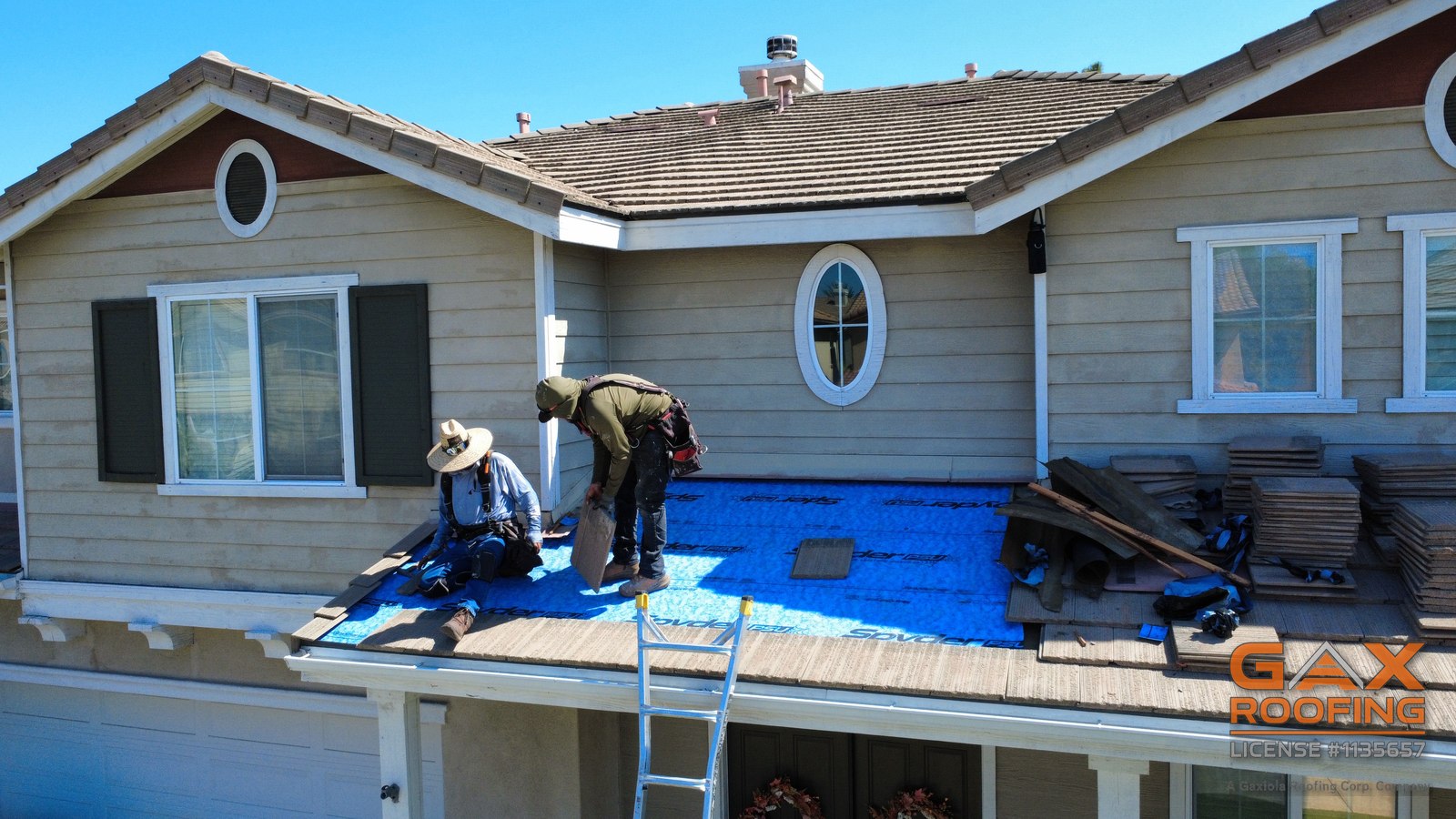
There are two honest ways to fix a roof leak. We recommend the full facet, we'll do a spot repair when that's what the roof calls for, and we tell you straight which one it is.
Get a Free Estimate →A spot repair fixes the one place the water gets in. A full facet redoes one whole plane of the roof, between a ridge and an edge or a valley. We recommend the full facet, because it actually fixes the problem on that plane. We'll do a spot repair when that's what the roof calls for. Either way we find the source first, and we tell you straight which one your roof needs.
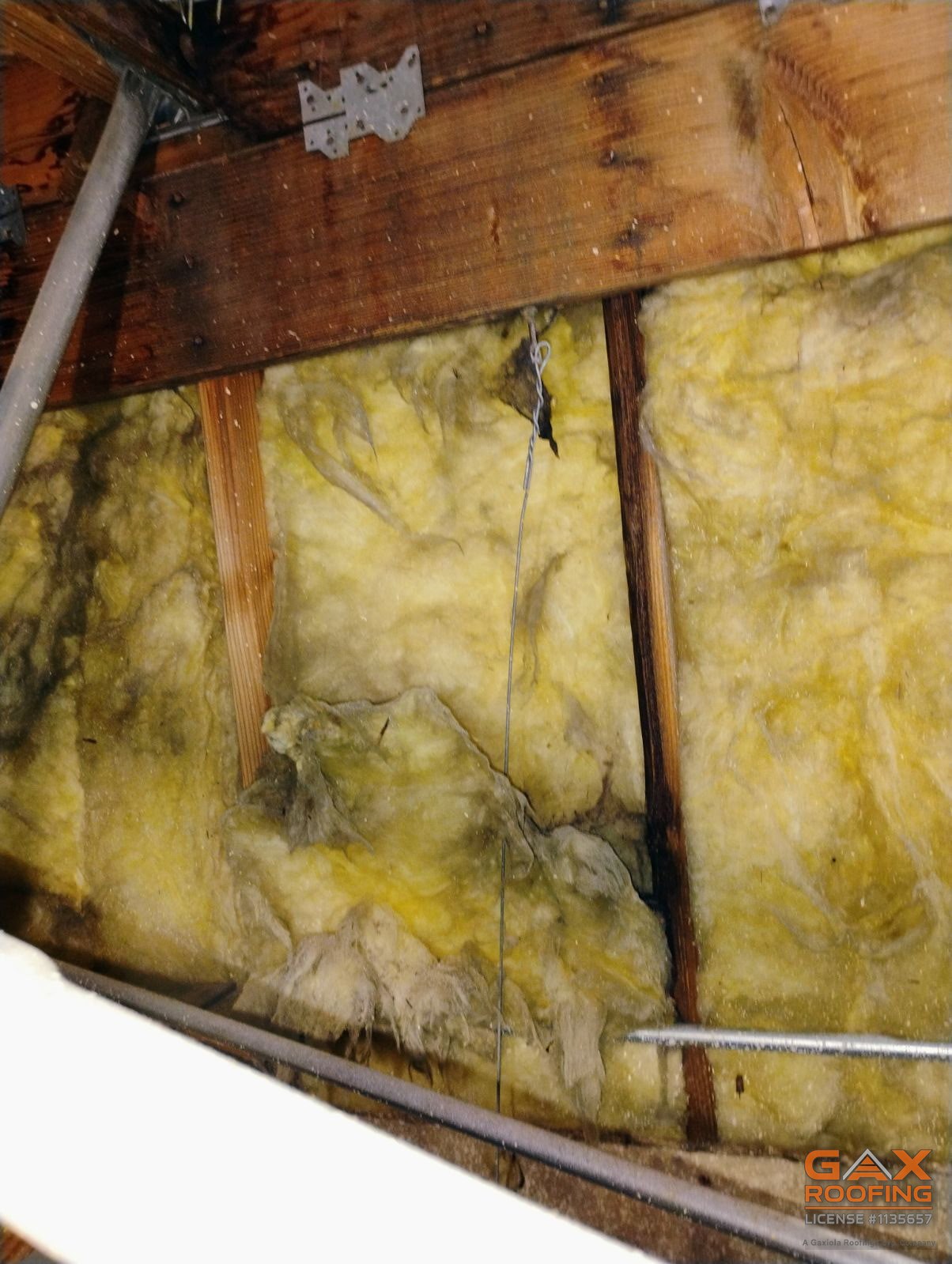
The drip in your ceiling is almost never where the water gets in. Water enters at a flashing, a pipe seal or a slipped tile, then travels along the underlayment and framing before it shows, sometimes ten feet from the entry point. A patch placed over the stain can be flawless work and still miss the hole completely.
So the scope comes second. First we find where the water really enters.
Where it shows up, whether it is every rain or only the big ones, and how long it has been going on. In my experience the homeowner knows more about that leak than I do when I pull up.
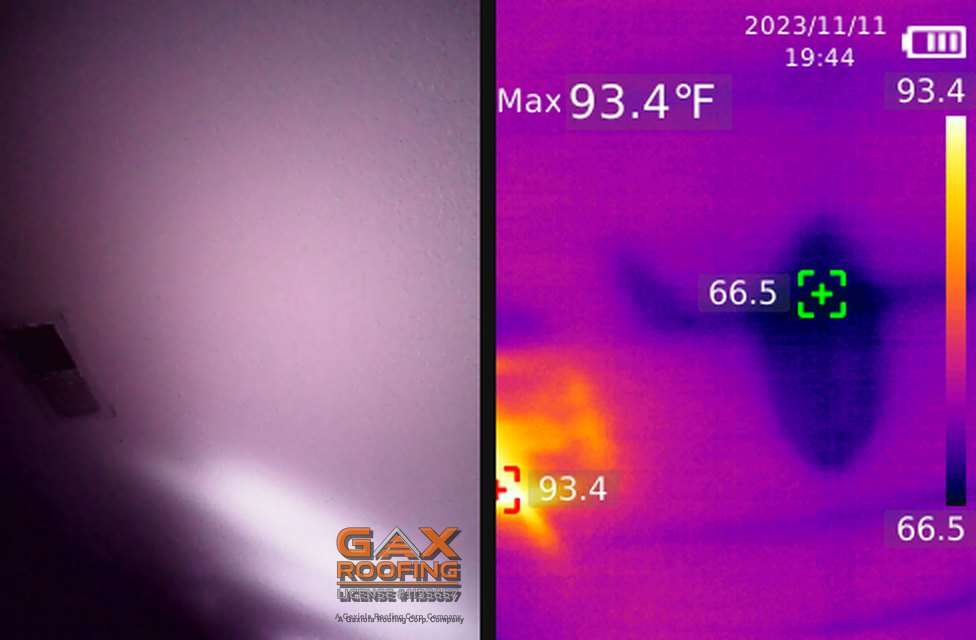
A thermal camera reads wet material colder than dry material, so the suspect area shows up on screen. The camera sees temperature, not water.
We go into the attic and find the same spot from below, then follow the wet path to where the water actually enters. That is where the repair goes.
A spot repair fixes the one place the water gets in, and nothing more. One problem on a healthy roof is a repair.
A pipe boot or a vent collar replaced. A few shingles the wind took, put back. A slipped or broken tile reset or swapped. A flashing that failed, redone.
When the roof is in good shape and the underlayment is sound. A good repair on a roof like that buys real years.
When it is aimed at the stain and not the source. Most failed repairs are not bad work. They are good patches in the wrong place.
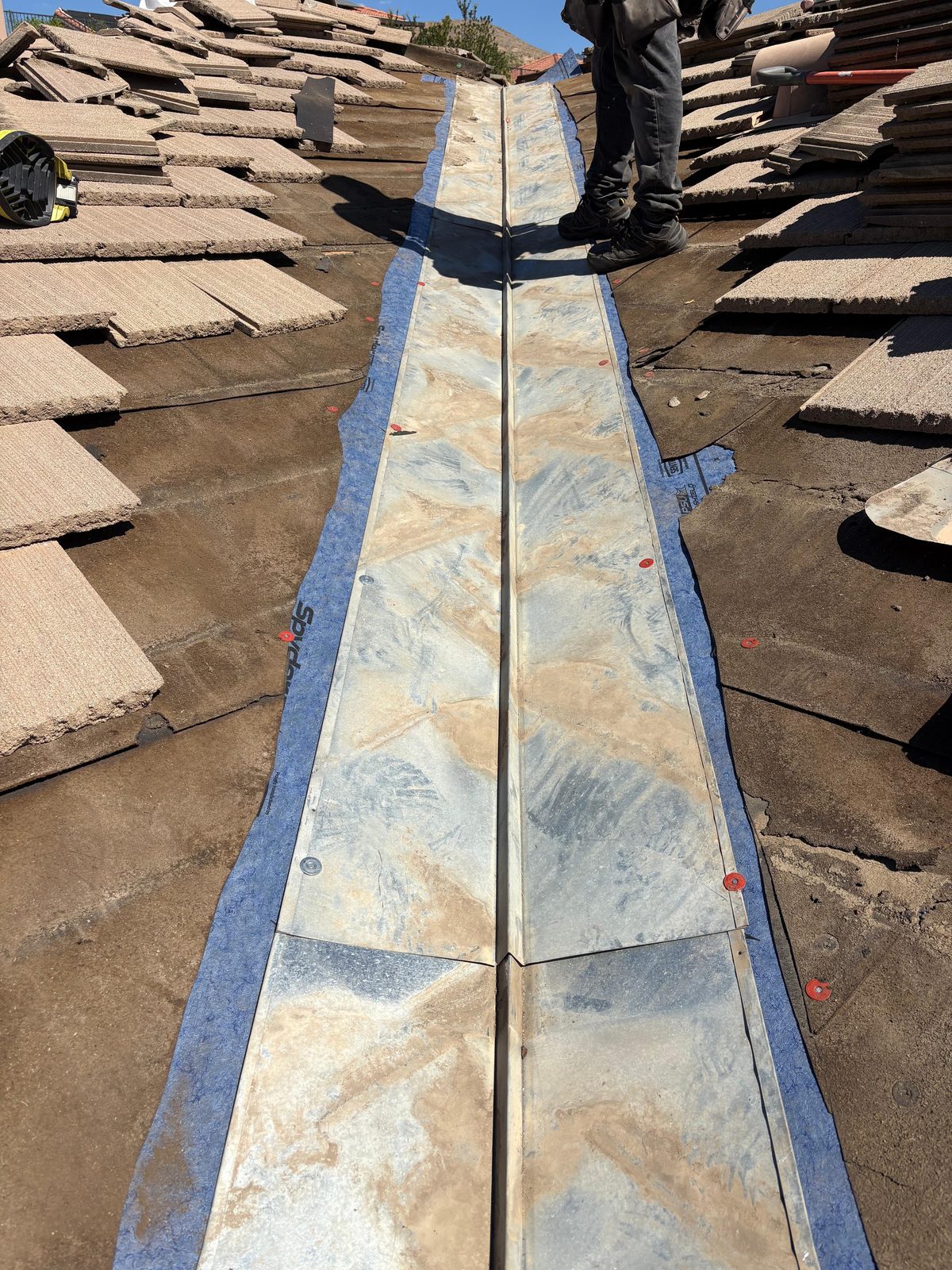
A facet is one plane of the roof, between a ridge and an edge or a valley. A full facet means we redo that whole plane instead of patching it.
On a tile roof, the tile comes off and gets stacked, because it is going back on.
With the plane open we can see the wood. Decking that is damaged or rotted gets replaced.
Top to eave, with nothing old left in the middle of it.
On tile, the same tile goes back on when it is still good, and nobody can tell from the street.
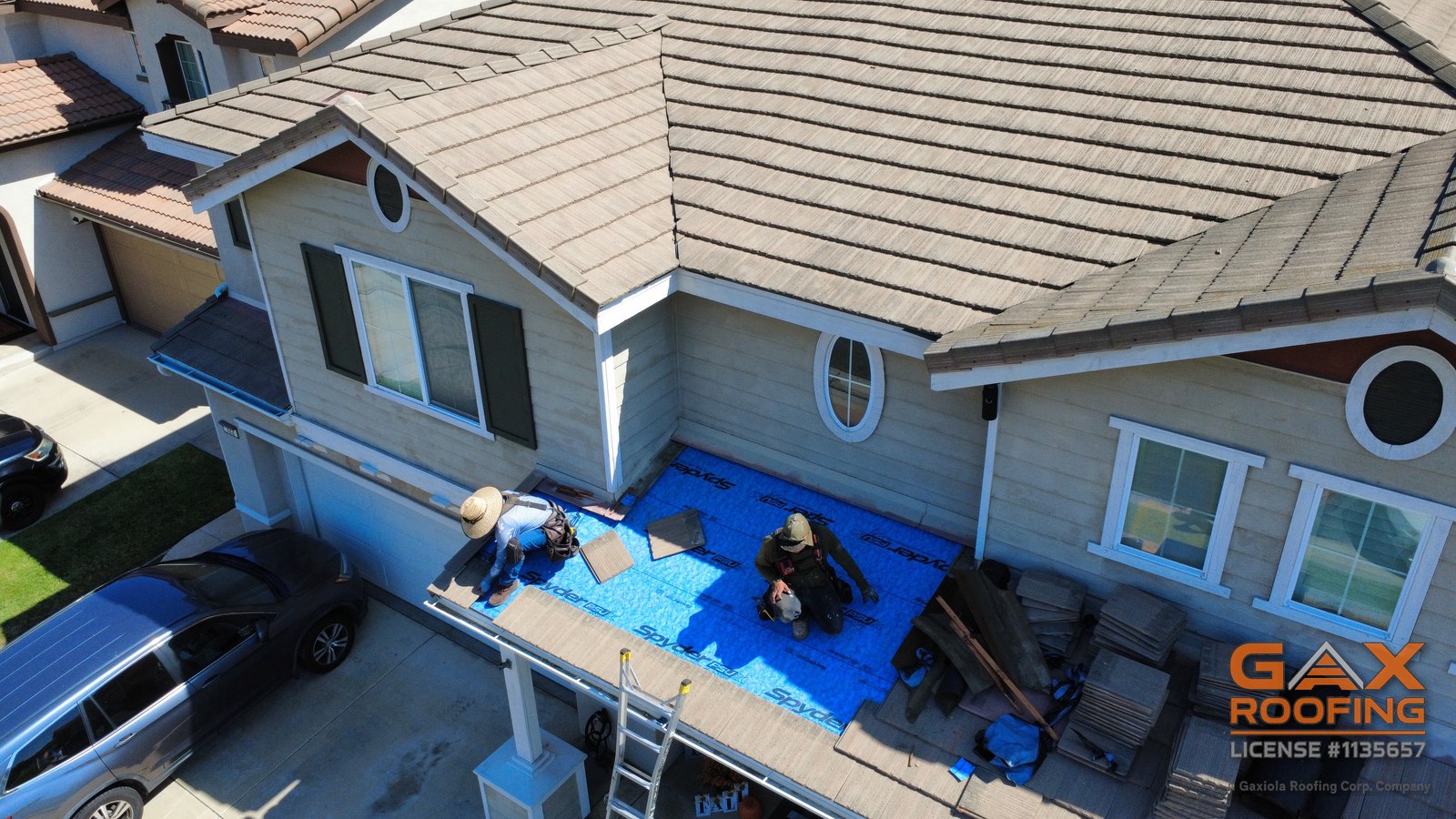
When a plane of the roof is the problem, we recommend redoing the whole plane. It costs more than a patch and less than a full replacement, and it actually fixes the problem on that plane. A full facet repair comes with a 4-year limited workmanship warranty.
New underlayment runs the whole plane. A patch covers one spot.
You can't see the deck until the roofing is off. With the plane open, rotted wood gets found and replaced, not covered.
Water enters at one point and travels along the underlayment before it shows. That is why a patch aimed at the stain misses so often.
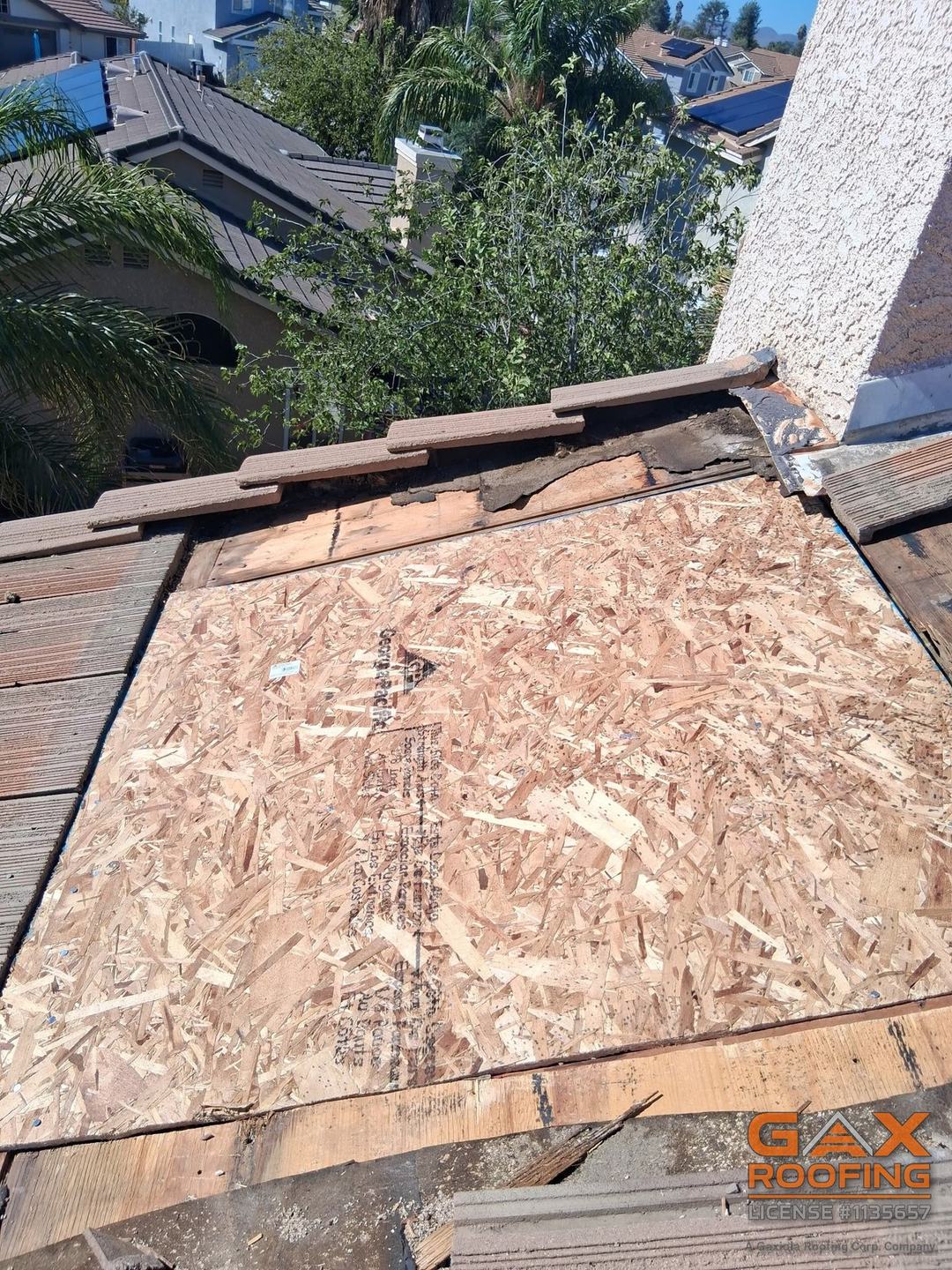
We don't upsell a bigger job when a repair will do. The key word is isolated. This is what usually holds, not a rule. The roof gets the final say once somebody is up there looking at it.
| What you see | What it usually means | What we'd do |
|---|---|---|
| One leak after a wind, a few shingles off, or one failed pipe boot, on a roof that's otherwise sound | An isolated problem | A spot repair, at the spot where the water gets in |
| A slipped or broken tile, on a tile roof that's otherwise sound | An isolated problem | A spot repair: reset or swap the tile |
| A leak that came back after a repair | The patch missed, or the layer underneath is done | A look under the roofing, not another patch |
| One plane of the roof in bad shape, the rest decent | A problem on one facet | The full facet |
| Leaks in more than one room, or a new spot every hard rain | The underlayment is done | Shingle: a replacement. Tile that's still sound: a lift and relay |
If your roof is in that last row, the longer answer is in repair vs replacement.
A full facet costs more than a patch and less than a full replacement. Past that, the number depends on your roof, and it comes in writing after we look.
If we find damaged wood once the roof is open, we photograph it and put the quantity and the price in writing for you to sign before it goes in.
You get the same answer I'd give a family member. We walk the roof, show you what we found with photos, and tell you which repair we'd do and why.
We'll say so, and that is what the estimate will be for.
We'll show you why, on your roof, with the photos.
We'll tell you that too. Several problems, or one problem on a roof that's clearly in decline, is a different conversation.
A facet is one plane of the roof, between a ridge and an edge or a valley.
No. It is one plane of the roof, redone. It costs more than a patch and less than a full replacement.
Yes, when that is what the roof calls for. One problem on a healthy roof is a repair, and we'll tell you when that is the case.
Most failed repairs are not bad work. They are good patches in the wrong place. Water enters at one point and travels before it shows, so a patch over the stain can miss the hole completely.
It depends on how big the area is, what kind of roof it is and what we find underneath. A full facet costs more than a patch and less than a full replacement. The estimate is free and in writing.
When the tile is still good, the same tile goes back on over new underlayment. Broken tile gets replaced.
Roof leaking, or a repair that didn't hold? We'll find the source, show you what we found and tell you straight whether it is a spot repair, the full facet or something bigger. We do four kinds of roofs: asphalt shingle roofs, tile replacement with new tile, tile lift and relay, and flat roofs.
Next in the library: Roof Leak Repair and Tile Roof: Repair or Replace?.
Get a Free Estimate →